I am a Māori designer based in
Melbourne.
I believe in working to curate a beautiful life for myself, and I strive to help others do the same.
Expect documentation of my design projects, my adventures and
my clothing.
Exhibition Curation
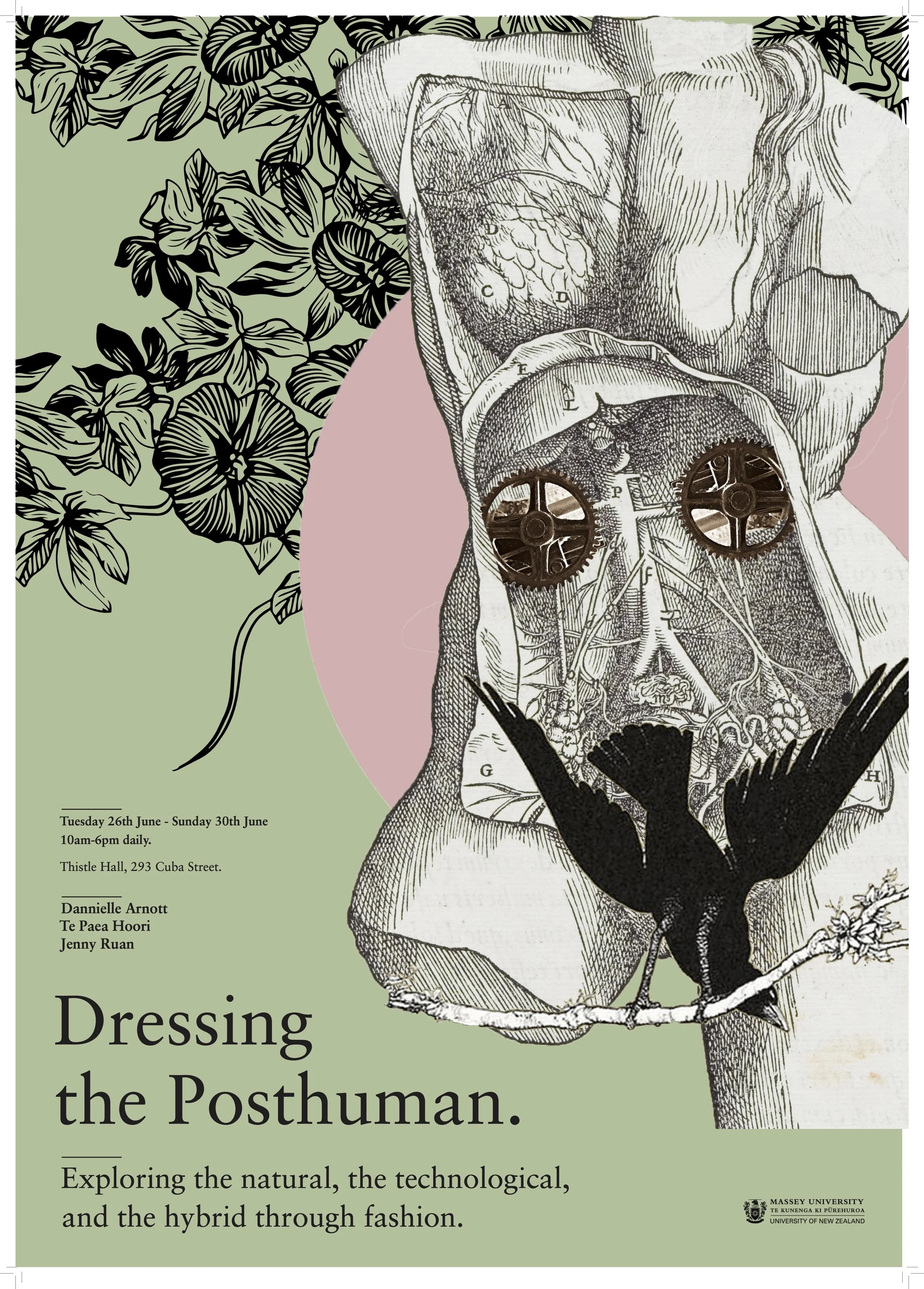
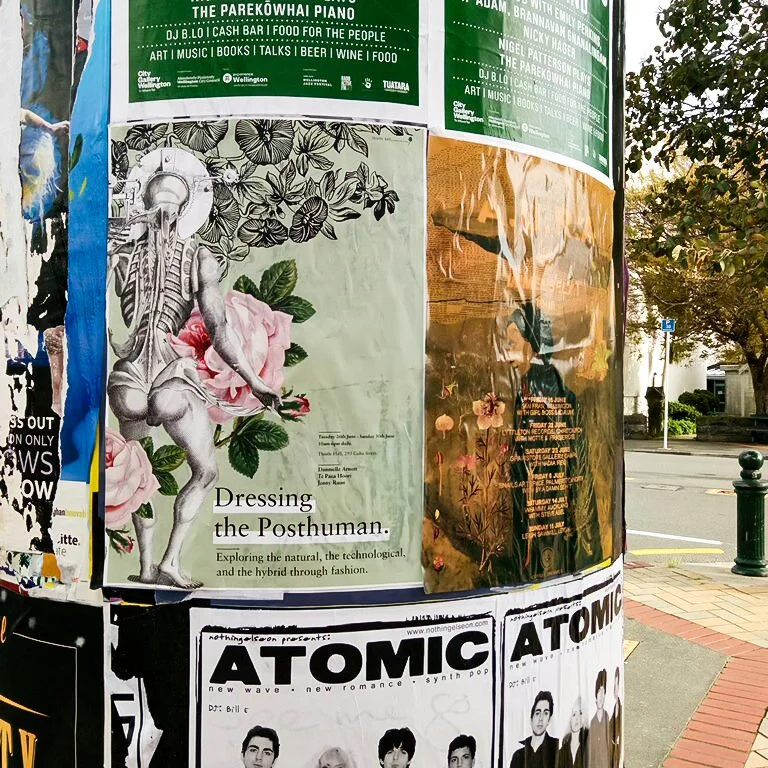
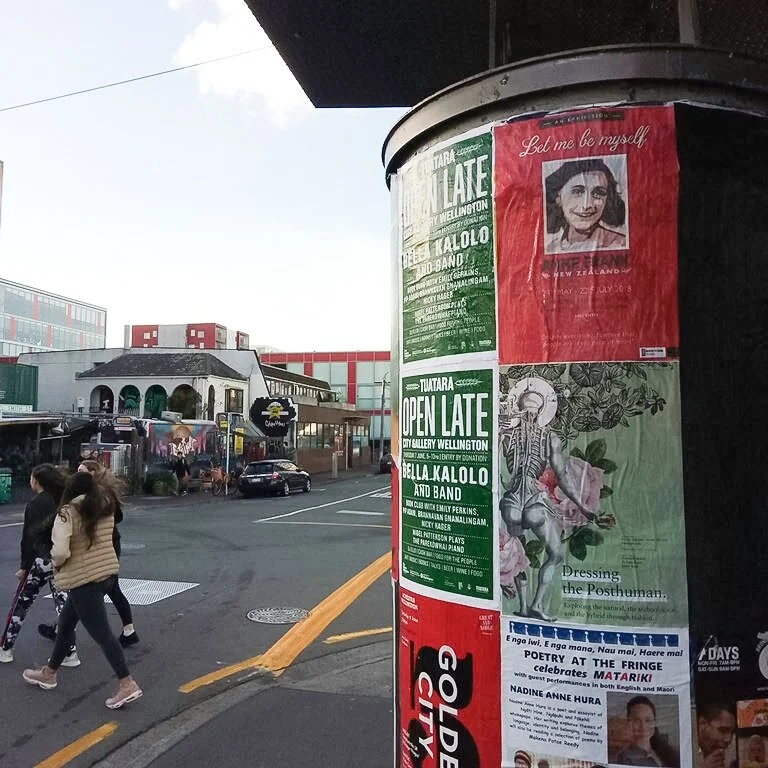
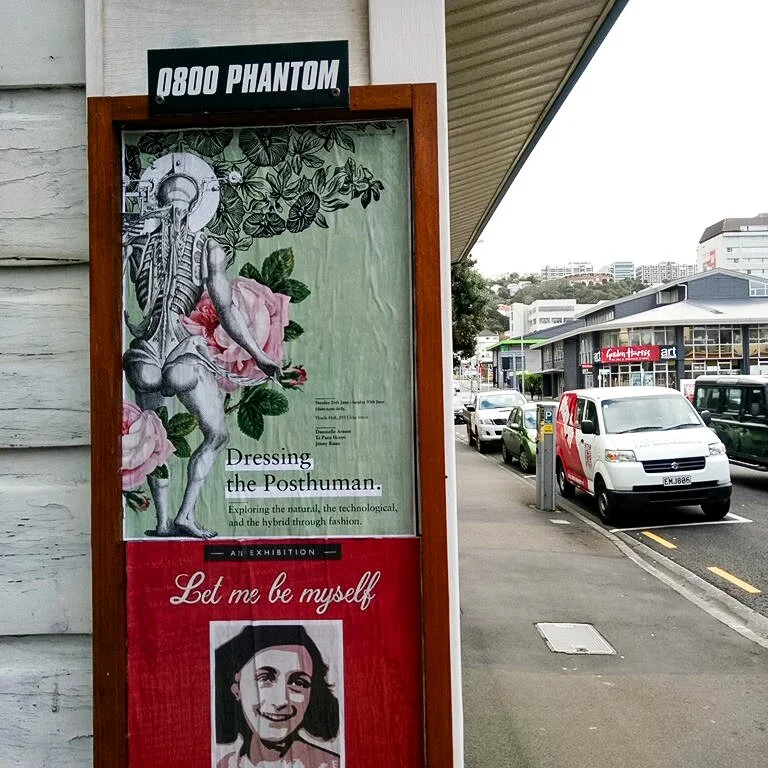
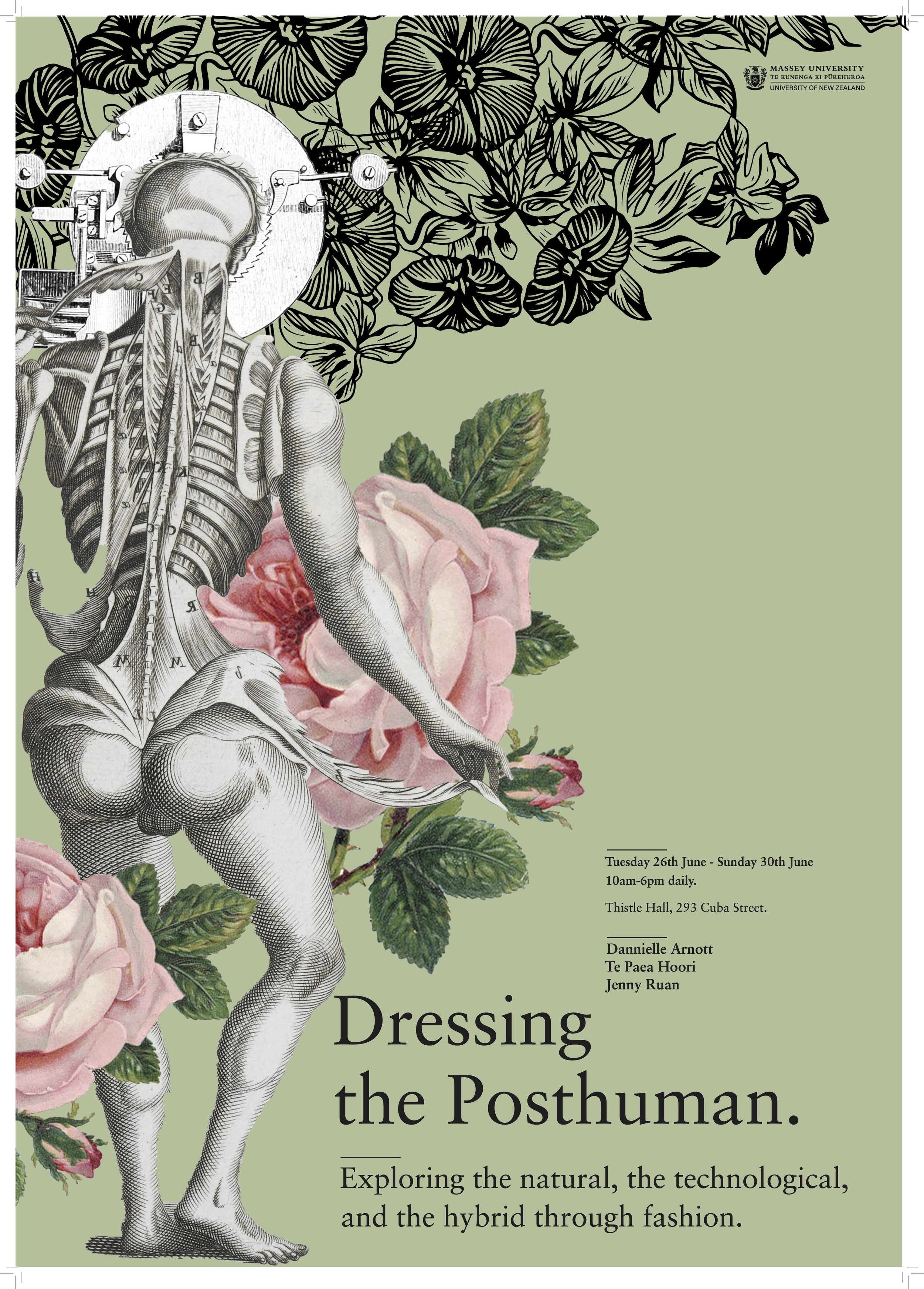
Poster design by Ben Reyburn.
Presented at Thistle Hall on Wellington's Cuba Street, the exhibition brought together three distinct fashion collections in a shared gallery setting. Situated within one of the city's well-known cultural and creative streets, the week-long exhibition invited visitors to engage with both the finished garments and the processes behind their development.
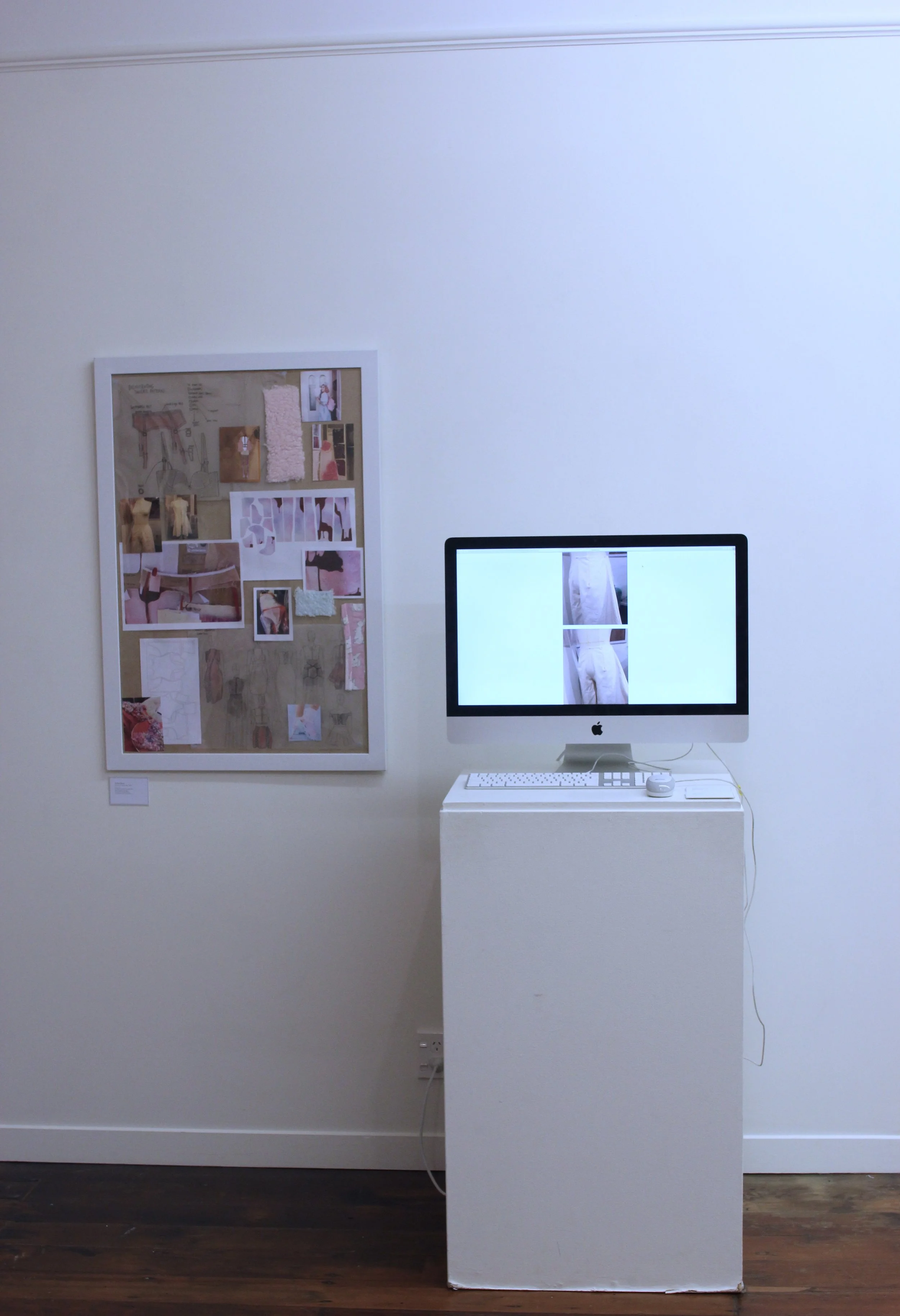
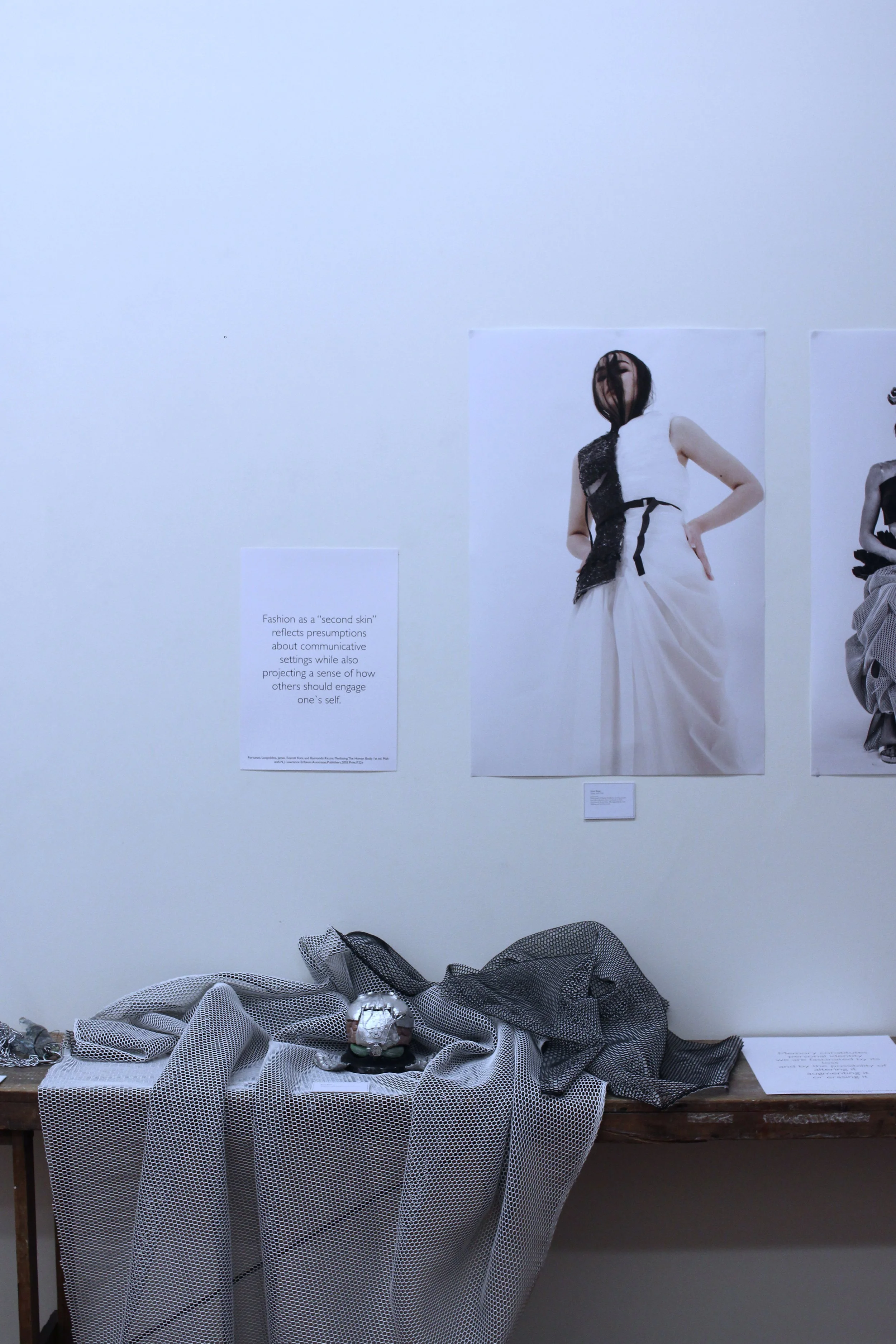
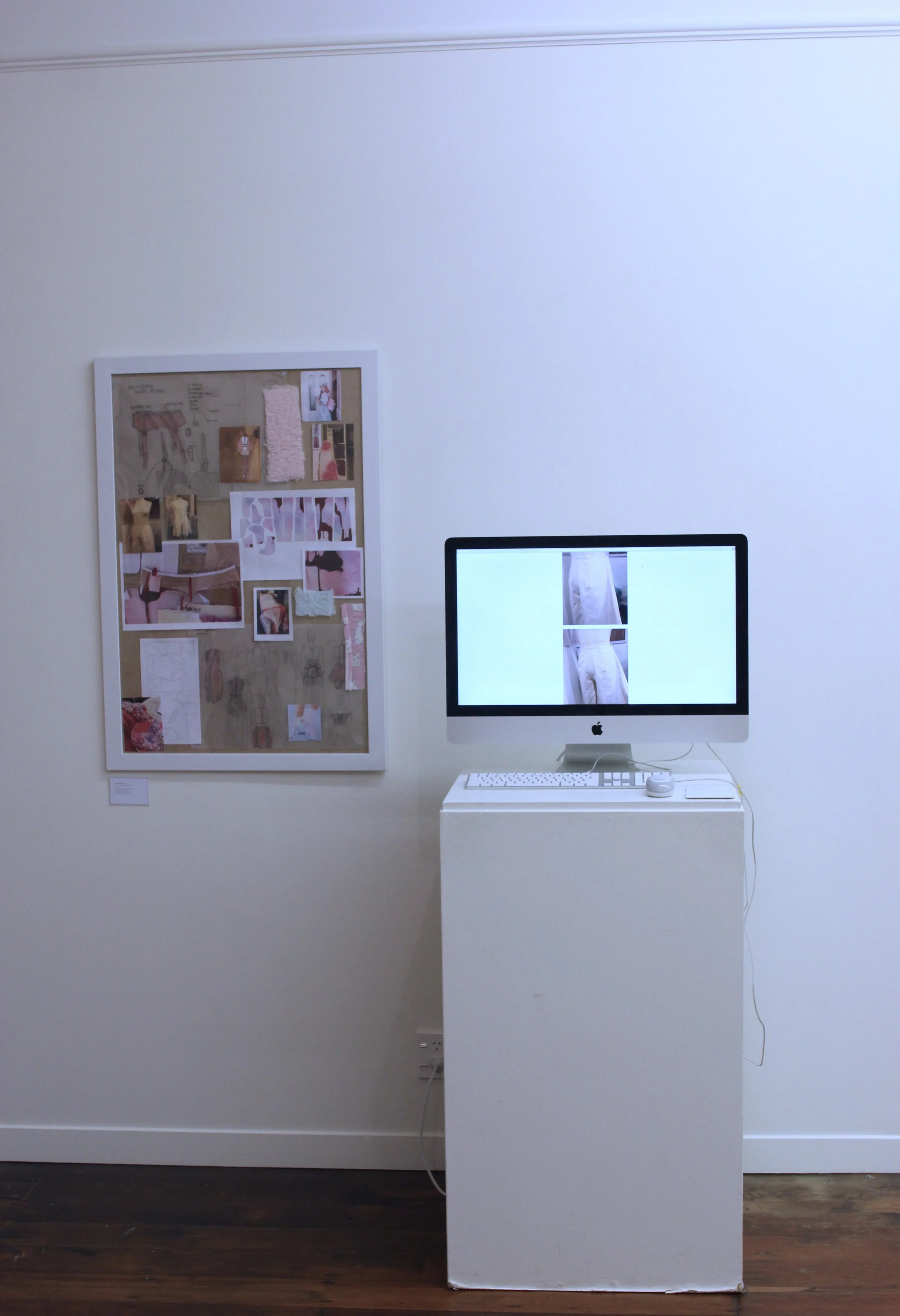
The presentation extended beyond the final collections, incorporating editorial imagery, working drawings, videos, samples and workbooks to reveal the research, experimentation and design decisions informing each designer's work.
I initiated the exhibition and developed its framework alongside my own collection, bringing together three individual practices within a shared exploration of Posthumanism. Coordinating the artists and gallery, I developed the supporting exhibition materials and oversaw the installation and public presentation, allowing the project to develop as both a collaborative exhibition and an individual body of work.
Posthumanism questions what it means to be human. It looks back at the history of our species and challenges the assumption that all people have been afforded equal recognition as ‘human’. At the same time, it looks forward to a future in which technological and medical advancements increasingly disrupt the boundaries between the human and non-human, and between the natural and the constructed.
Through three distinct capsule collections, the exhibition considers these shifting boundaries and the ways fashion can interrogate, interpret and respond to an evolving understanding of humanity.
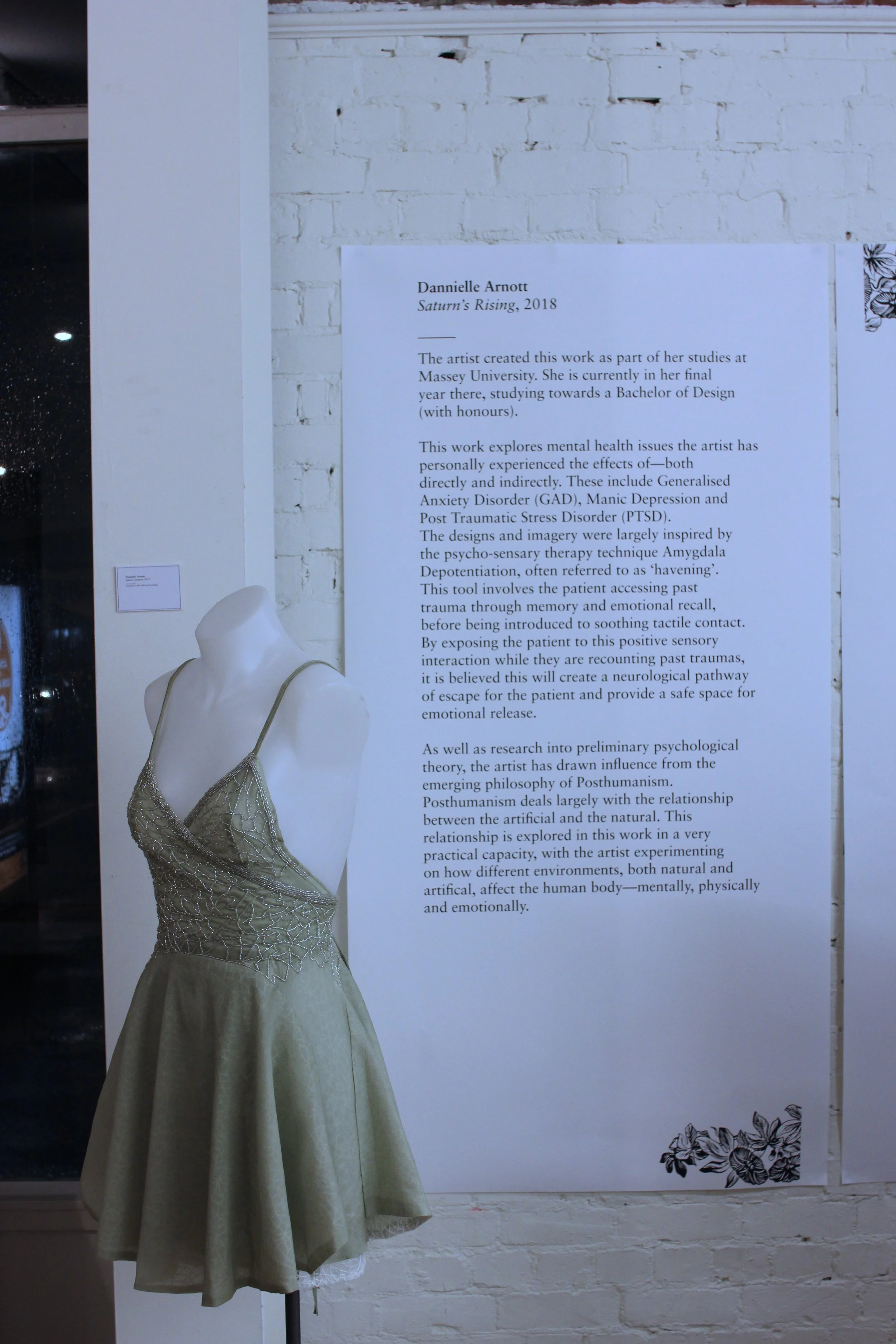
Saturn’s Return (2018)
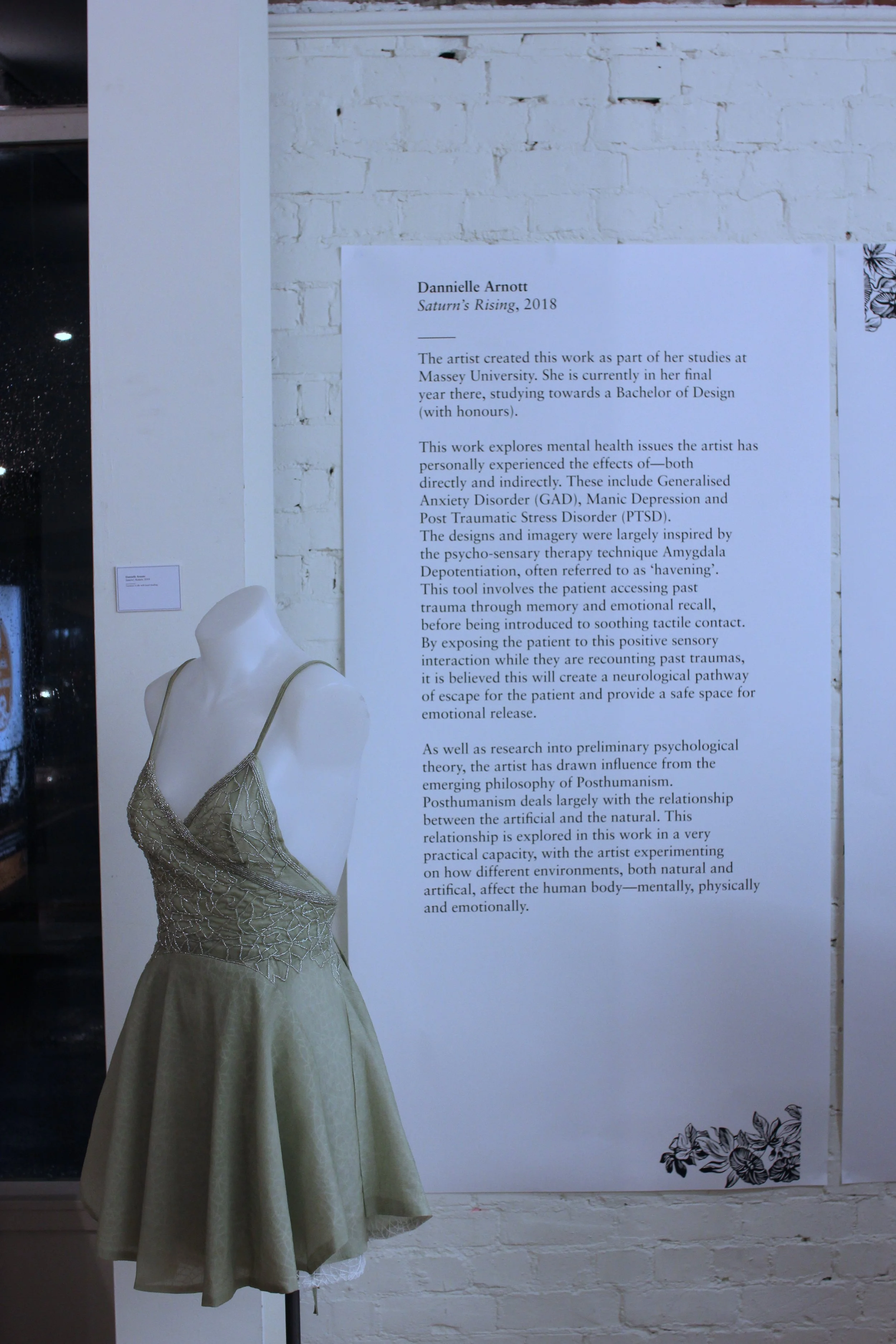
The artist created this work as part of her studies at Massey University. She is currently in her final year there, studying towards a Bachelor of Design (with honours).
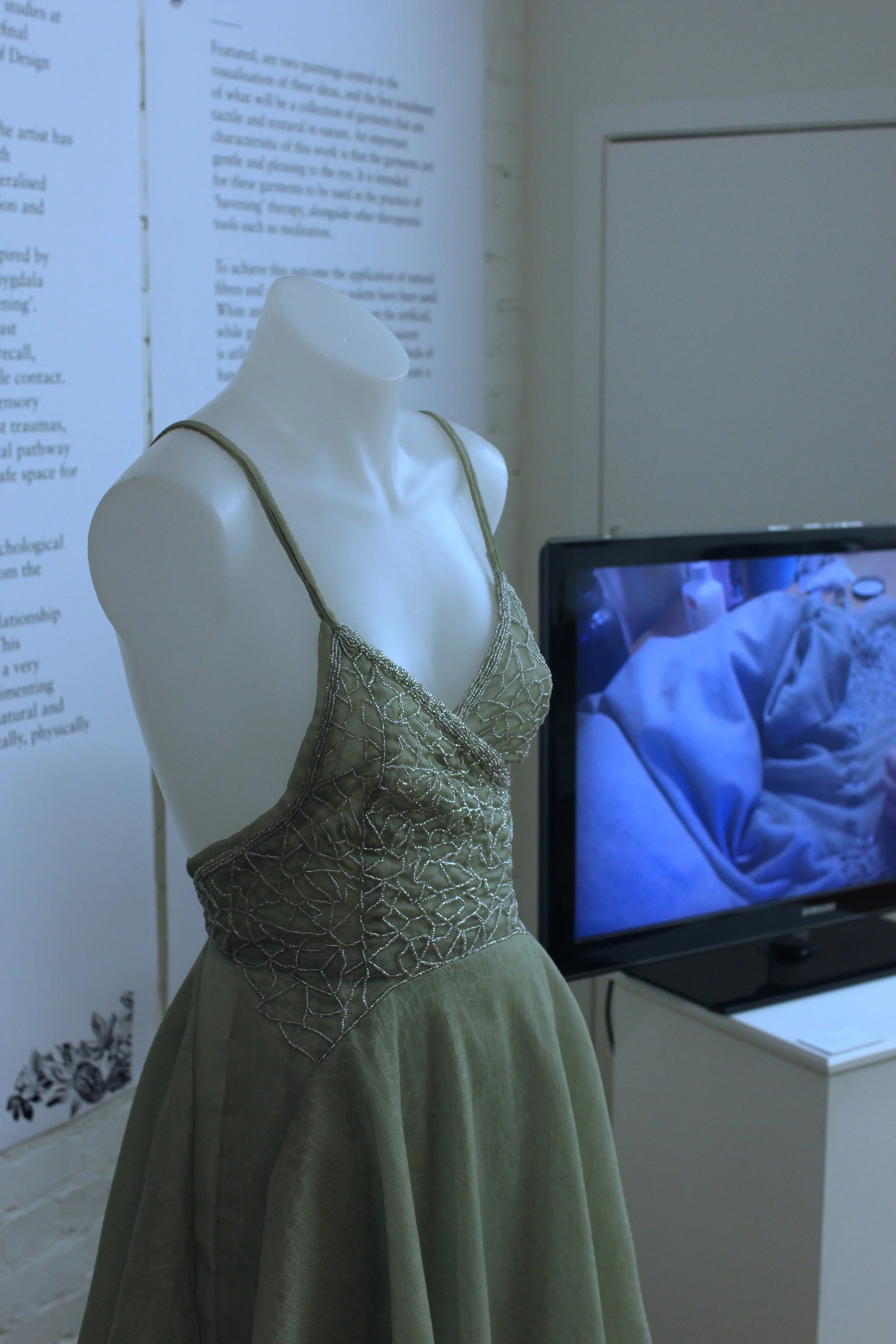
This work explores mental health issues the artist has personally experienced the effects of—both directly and indirectly. These include Generalised Anxiety Disorder (GAD), Manic Depression and Post Traumatic Stress Disorder (PTSD). The designs and imagery were largely inspired by the psycho-sensary therapy technique Amygdala Depotentiation, often referred to as ‘havening’. This tool involves the patient accessing past trauma through memory and emotional recall, before being introduced to soothing tactile contact. By exposing the patient to this positive sensory interaction while they are recounting past traumas, it is believed this will create a neurological pathway of escape for the patient and provide a safe space for emotional release.
As well as research into preliminary psychological theory, the artist has drawn influence from the emerging philosophy of Posthumanism. Posthumanism deals largely with the relationship between the artificial and the natural. This relationship is explored in this work in a very practical capacity, with the artist experimenting on how different environments, both natural and artifical, affect the human body—mentally, physically and emotionally.
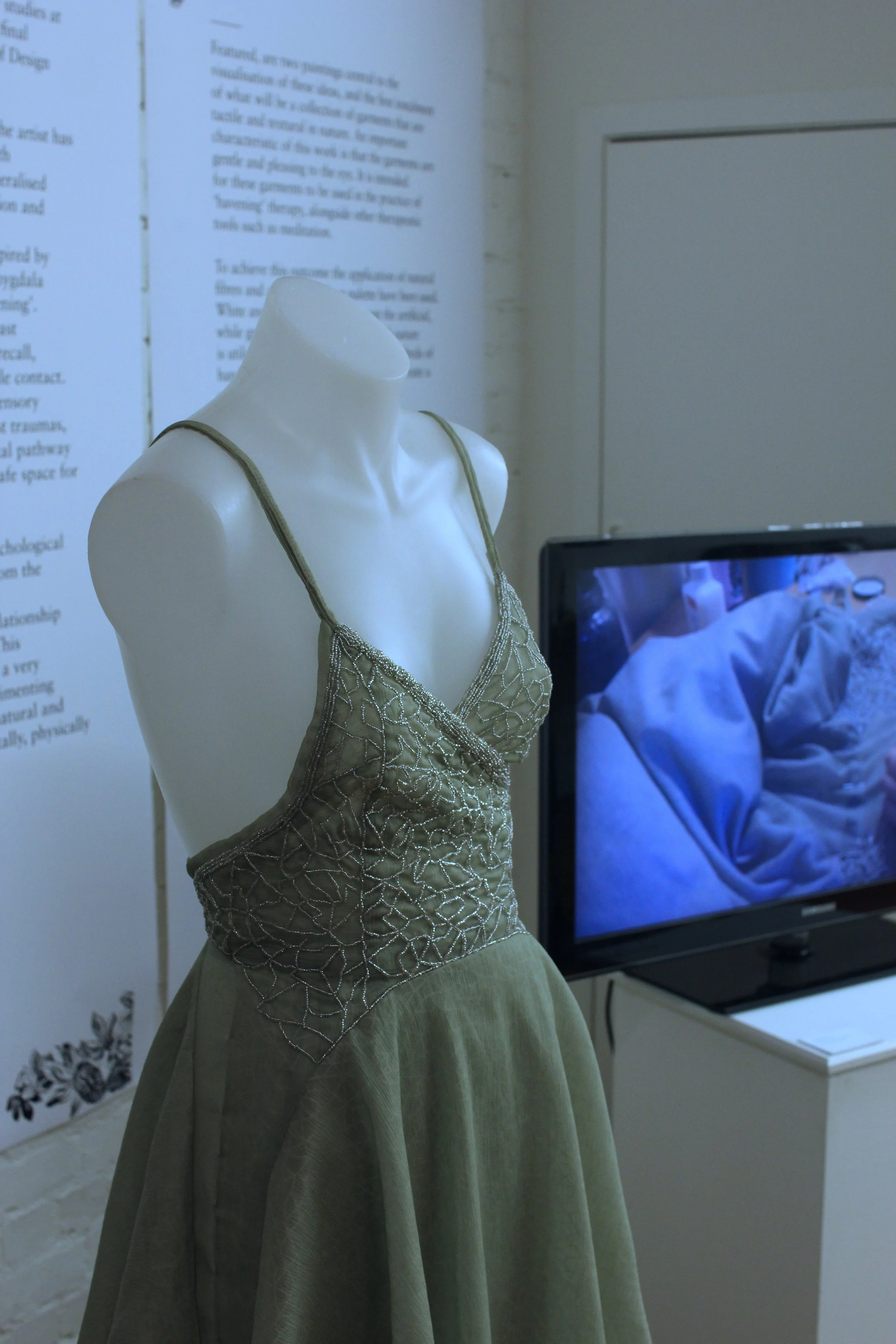
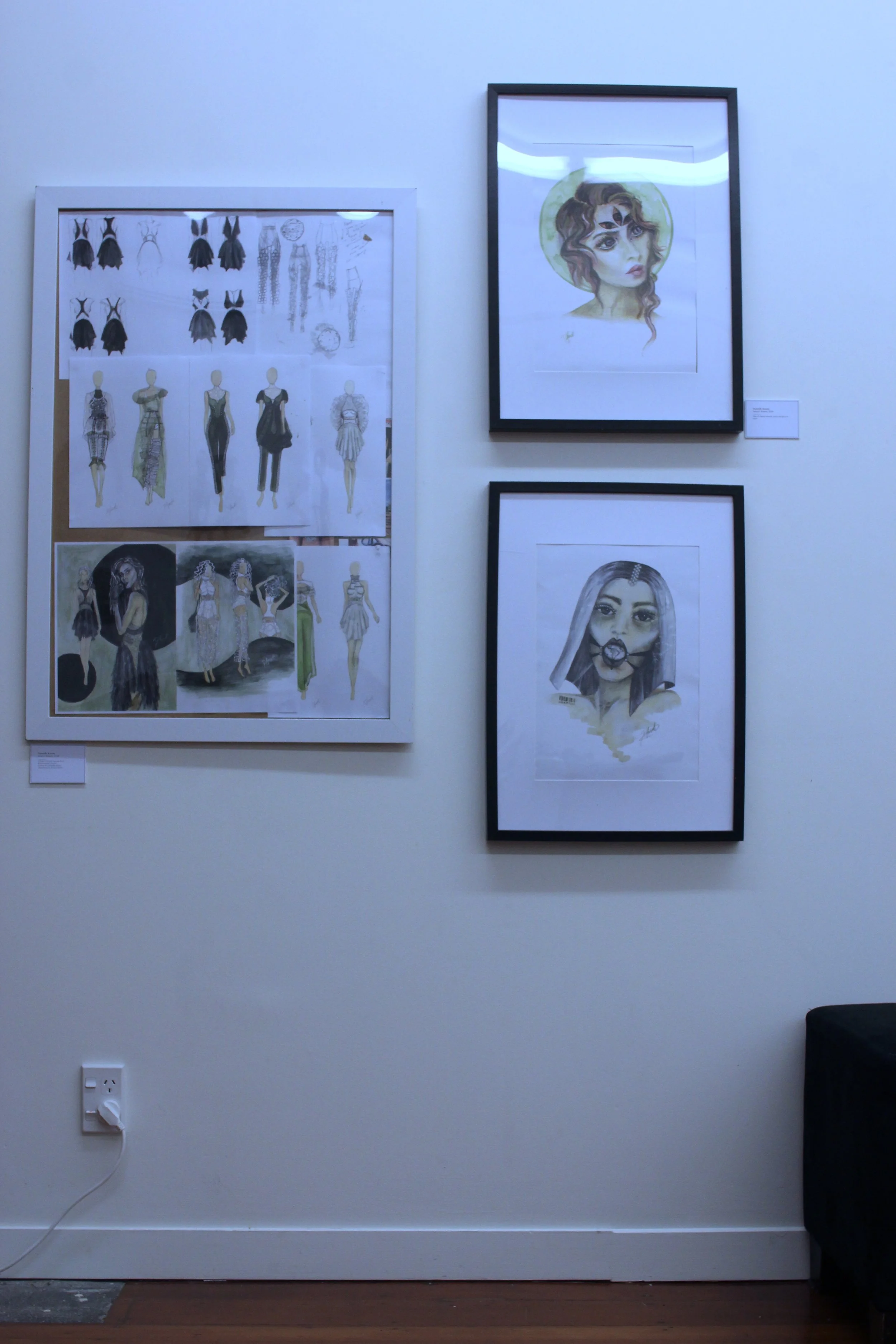
Featured, are two paintings central to the visualisation of these ideas, and the first instalment of what will be a collection of garments that are tactile and textural in nature. An important characteristic of this work is that the garments are gentle and pleasing to the eye. It is intended for these garments to be used in the practice of ‘havening’ therapy, alongside other therapeutic tools such as meditation.
To achieve this outcome the application of natural fibres and a subdued colour palette have been used. White and silver is used to represent the artificial, while green’s common association with nature is utilised. This first iteration features hundreds of hand sewn glass beads which are used to create a tactile experience for the wearer.
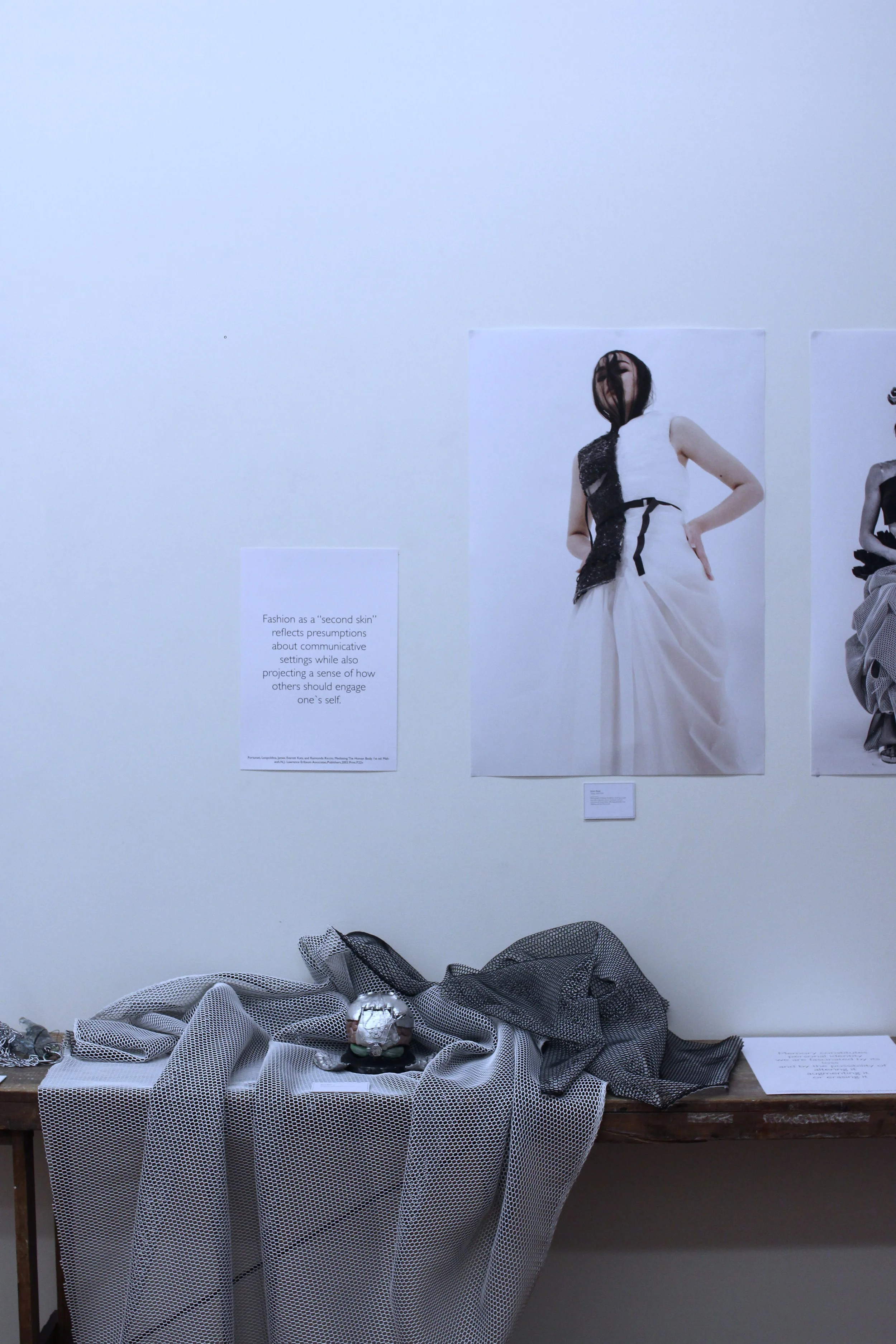
Eject (2017)
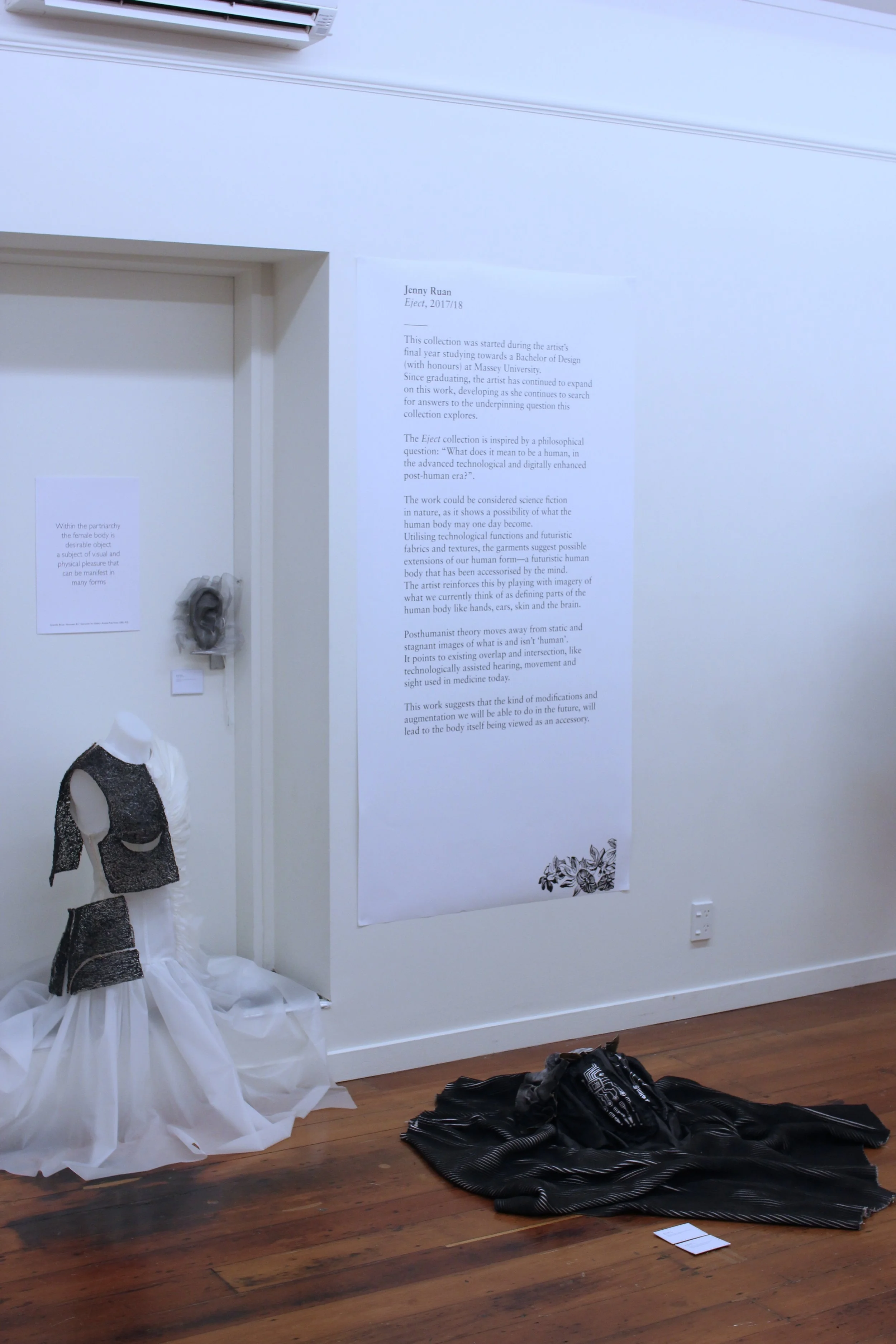
This collection was started during the artist’s final year studying towards a Bachelor of Design (with honours) at Massey University. Since graduating, the artist has continued to expand on this work, developing as she continues to search for answers to the underpinning question this collection explores.
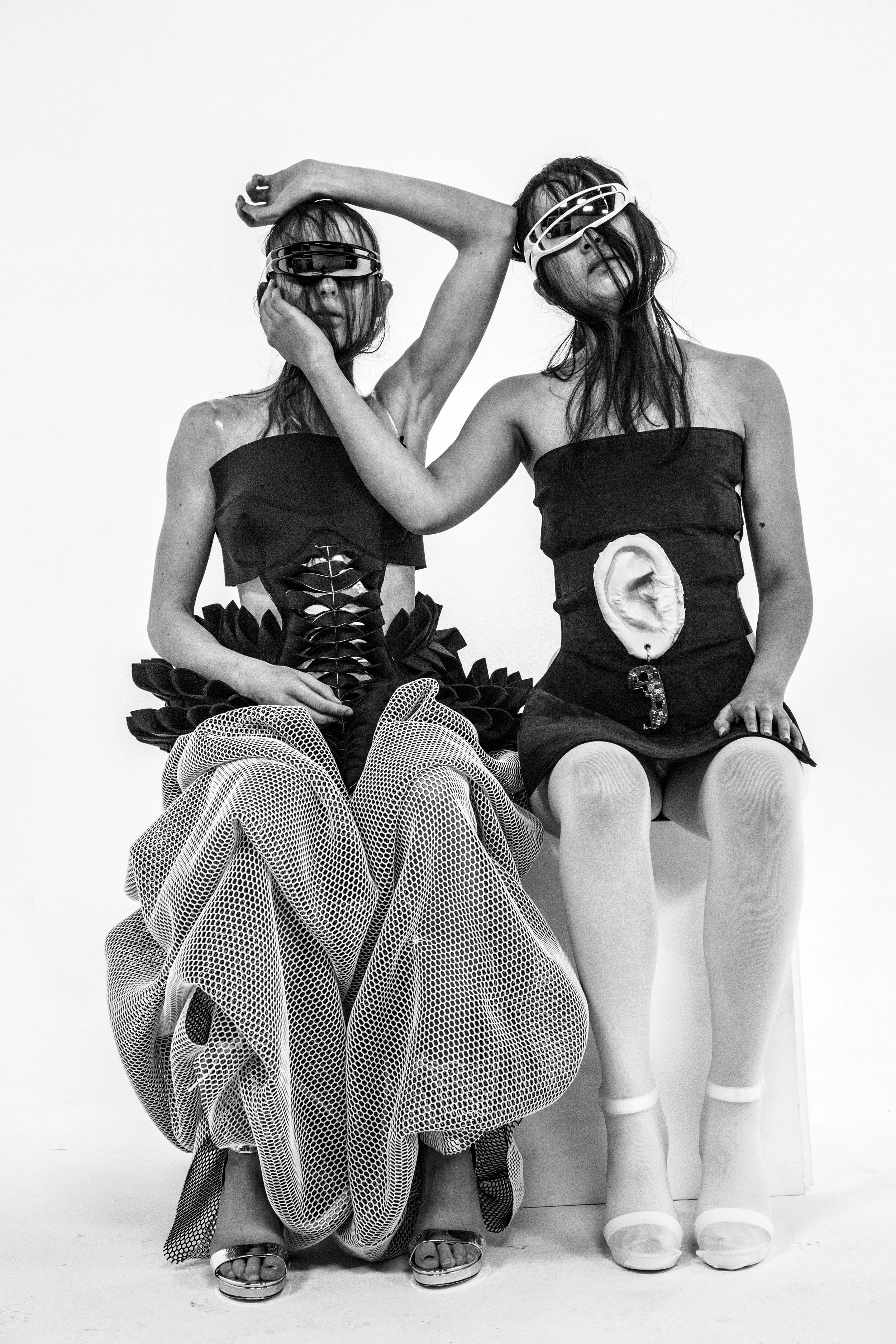
The Eject collection is inspired by a philosophical question: “What does it mean to be a human, in the advanced technological and digitally enhanced post-human era?”.
The work could be considered science fiction in nature, as it shows a possibility of what the human body may one day become. Utilising technological functions and futuristic fabrics and textures, the garments suggest possible extensions of our human form—a futuristic human body that has been accessorised by the mind. The artist reinforces this by playing with imagery of what we currently think of as defining parts of the human body like hands, ears, skin and the brain.
Posthumanist theory moves away from static and stagnant images of what is and isn’t ‘human’. It points to existing overlap and intersection, like technologically assisted hearing, movement and sight used in medicine today.
This work suggests that the kind of modifications and augmentation we will be able to do in the future, will lead to the body itself being viewed as an accessory.
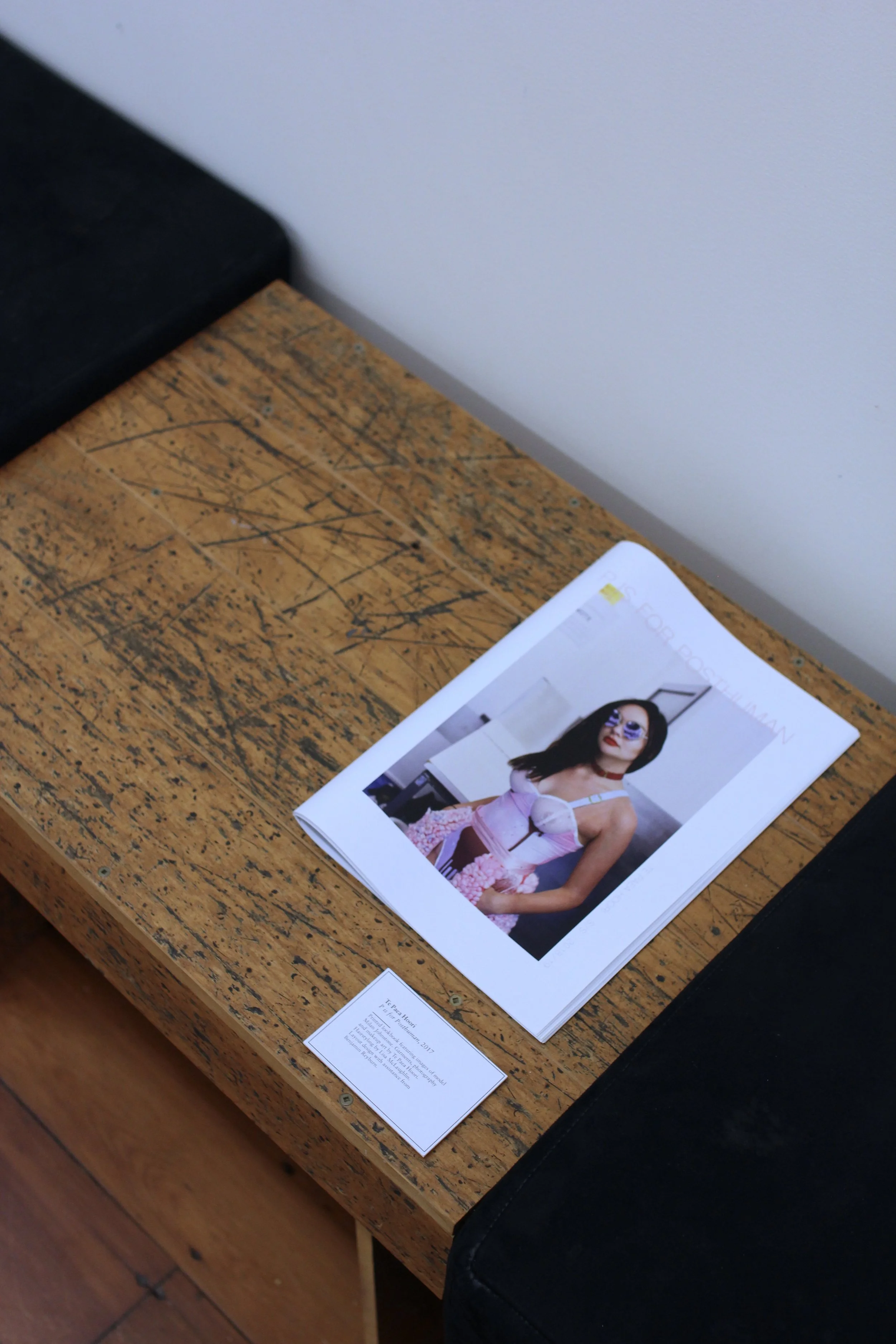
P is for Posthumanism (2017)
This collection was created during the artist’s final year studying towards a Bachelor of Design (with Honours) at Massey University. It was born from a frustration with the cultural habit of grouping things into binary, opposing categories such as male/female, modest/promiscuous and natural/technological. The problem with creating dichotomies such as these is that they can erase the spaces, ideas and identities that exist in between and overlap.
This body of work explores this overlap, and the possibilities that exist within these spaces. As fashion manufacturing continues to evolve, automation and high-tech machinery are increasingly prevalent. Industrialisation has contributed to a decline in handcraft artistry, while machinery is often viewed as a symbol of a cultural movement away from the natural world.
The philosophical realm of Posthumanism offers another perspective. Rosi Braidotti’s book The Posthuman, which had a significant influence on this collection, suggests that rather than approaching the world through polarising categories, we should adopt a more inclusive and intersectional outlook.
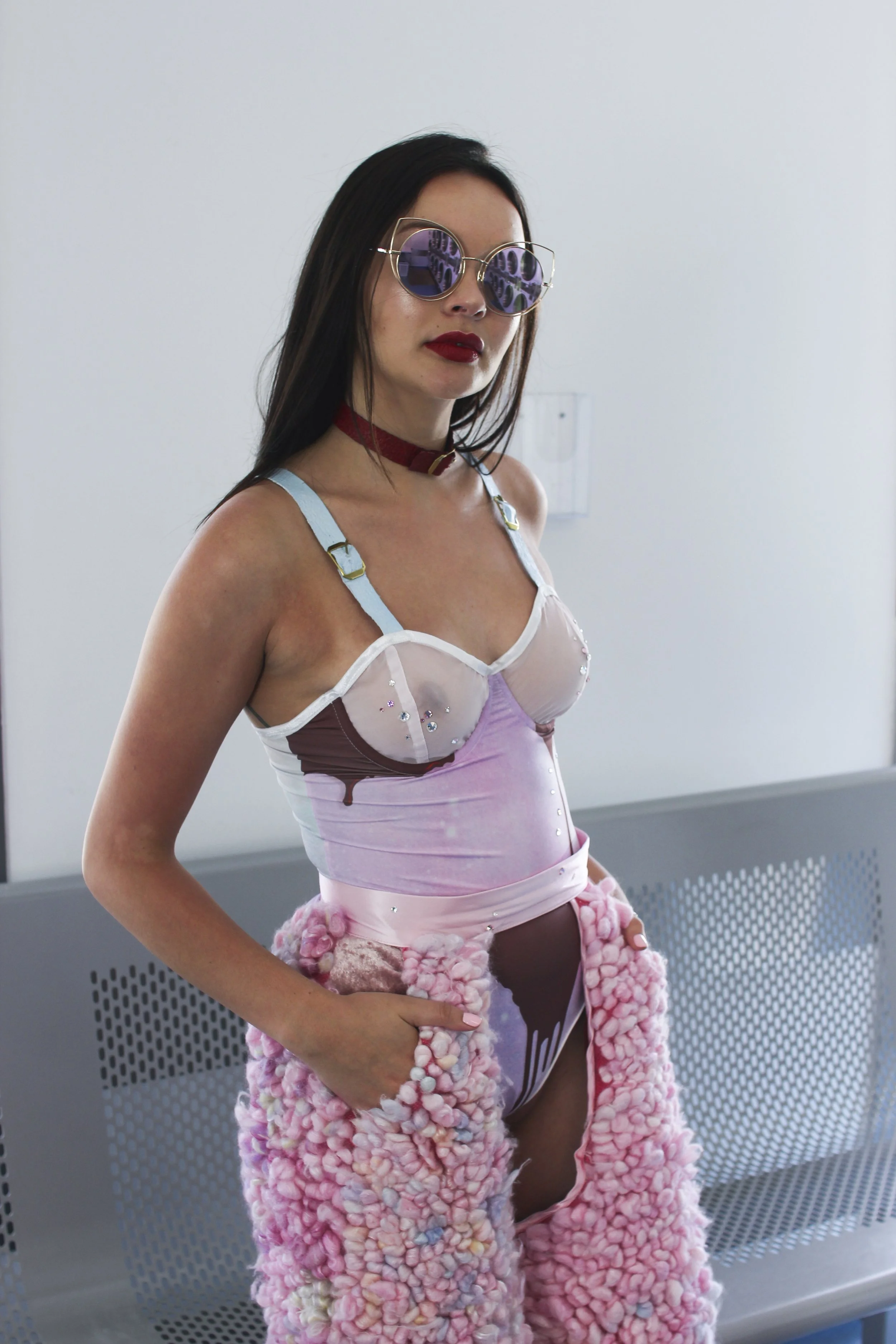
P is for Posthuman explores this idea through the combination of high-tech and decidedly low-tech techniques within one hybrid collection. Digitally printed and synthetic fabrics are presented alongside time-intensive hand-tufted wool textiles, material grown from microorganisms and hand-applied rhinestones. The time saved through digital practices such as printing and computer-aided design is redistributed into the handcrafted components of the work.
The collection proposes a different way of looking at the relationship between the natural and the technological. The value of handcraft need not be lost to new machinery, nor should technology be seen exclusively as cold and lifeless. Instead, the two can coexist, each contributing something to the other.
This notion of hybridity and contradiction extends into the imagery that influenced the aesthetic direction of the collection. Daddy dom/little girl (DDLG), a subset of BDSM fetish culture, uses role-play and performative dress to explore situational power dynamics and age-regression as a form of relief from the pressures of adulthood.
DDLG dress commonly incorporates baby pinks and blues, soft and textured fabrics, and motifs associated with infancy and prepubescence. By placing this imagery within a hyper-sexualised context, the subculture plays with the cultural binary between purity and promiscuity.
Through this imagery, the collection draws attention to the idea of duality, paralleling the perceived divide between natural and technological approaches to fashion. The work is intended to be bold and confronting, with the wearer simultaneously comforted by soft, warm and colourful tufted wool and exposed through sheer and revealing garments.