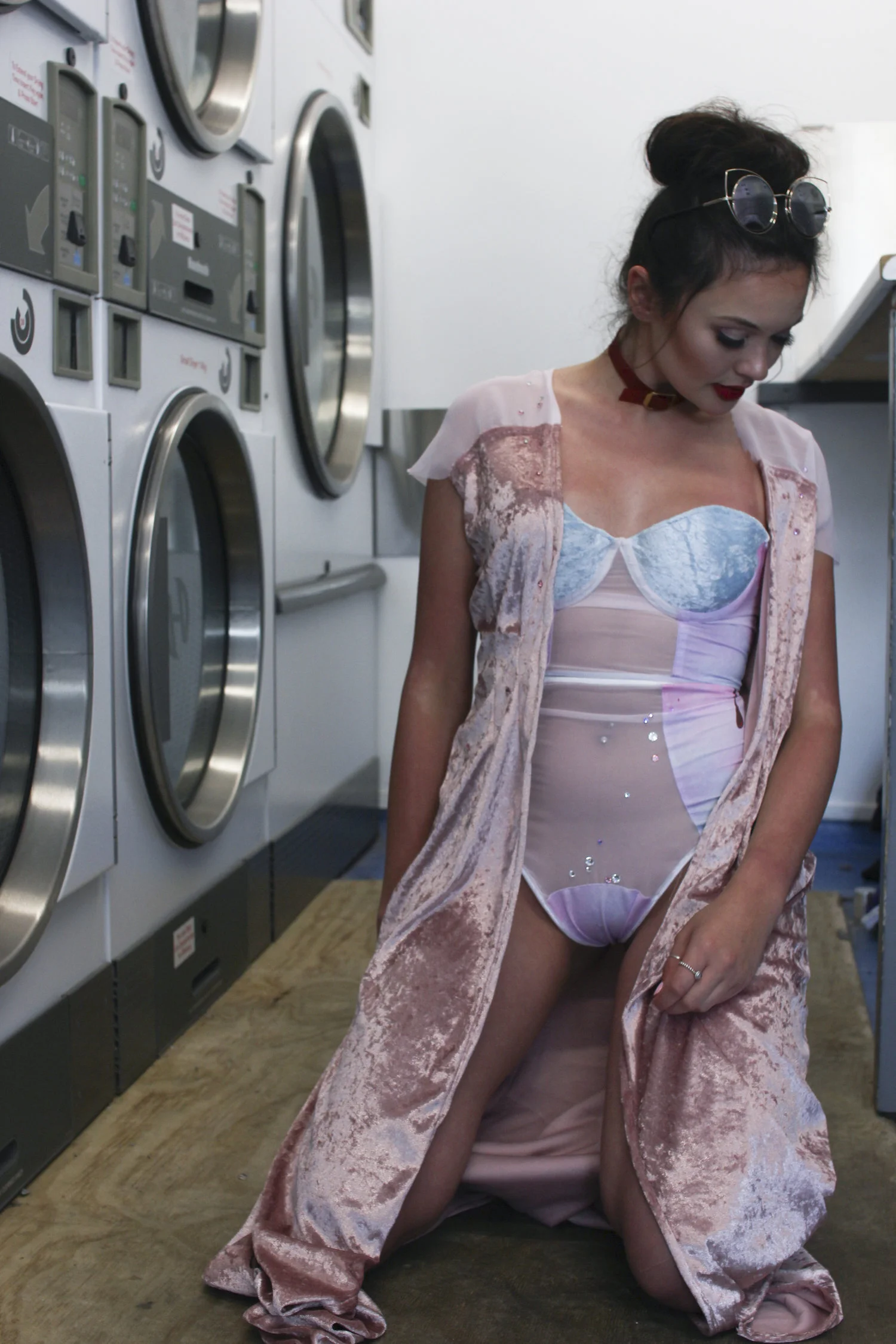
‘P is for Posthuman’ Graduate Collection

Fashion Design
 
IMG_0133+X.jpg
IMG_0749+X+X.jpg
 

This collection was born from a frustration with the cultural habit of grouping things into binary, opposing categories such as male/female, modest/promiscuous and natural/technological.

The problem with creating dichotomies such as these is that they can erase the spaces, ideas and identities that exist in between and overlap.

This body of work explores this overlap, and the possibilities that exist within these spaces.

As fashion manufacturing continues to evolve, automation and high-tech machinery are increasingly prevalent. Industrialisation has contributed to a decline in handcraft artistry, while machinery is often viewed as a symbol of a cultural movement away from the natural world.

 
IMG_3732.JPG
IMG_4237.jpg
IMG_0528+X.jpg
 

The philosophical realm of Posthumanism offers another perspective. Rosi Braidotti’s book The Posthuman, which had a significant influence on this collection, suggests that rather than approaching the world through polarising categories, we should adopt a more inclusive and intersectional outlook.

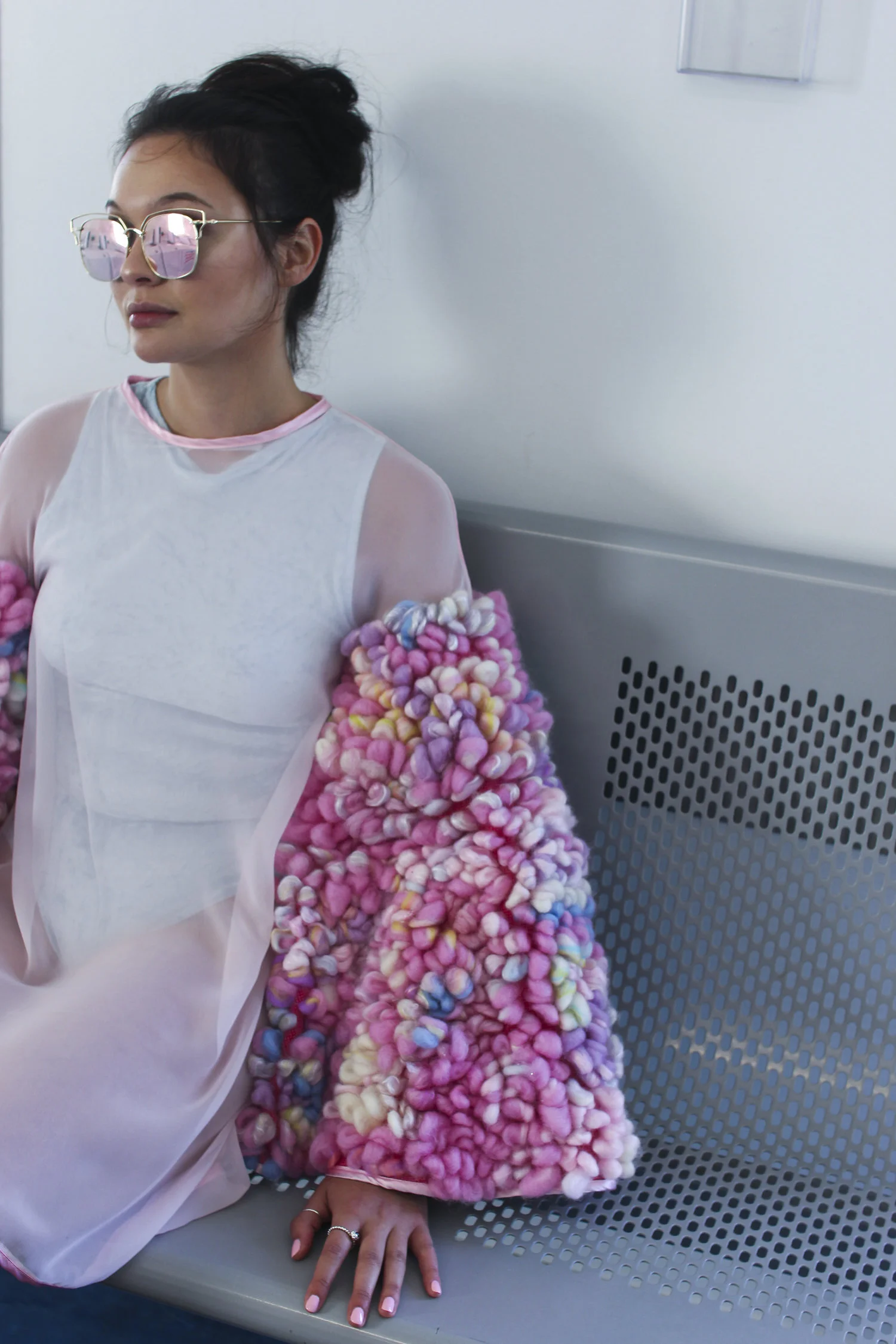
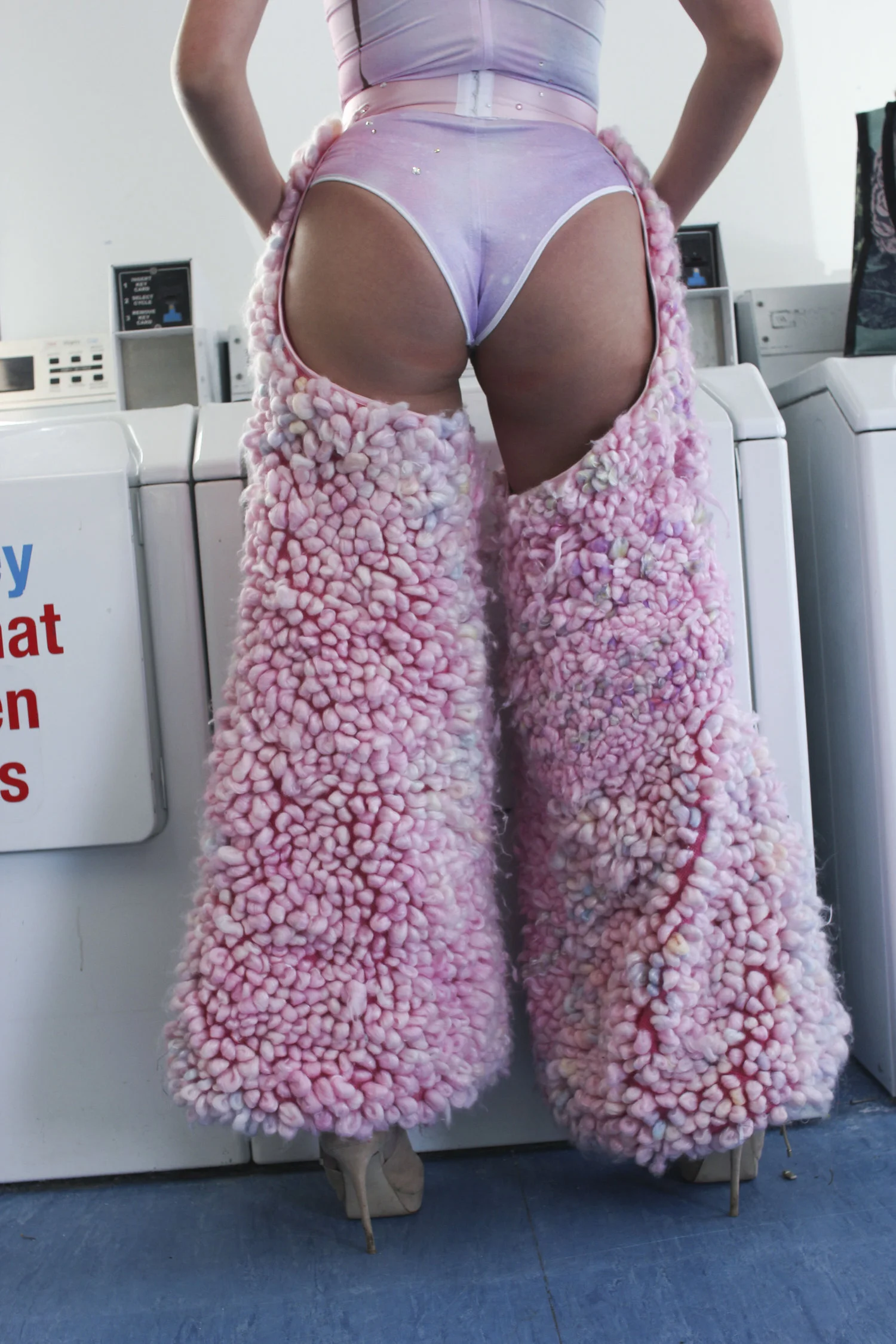
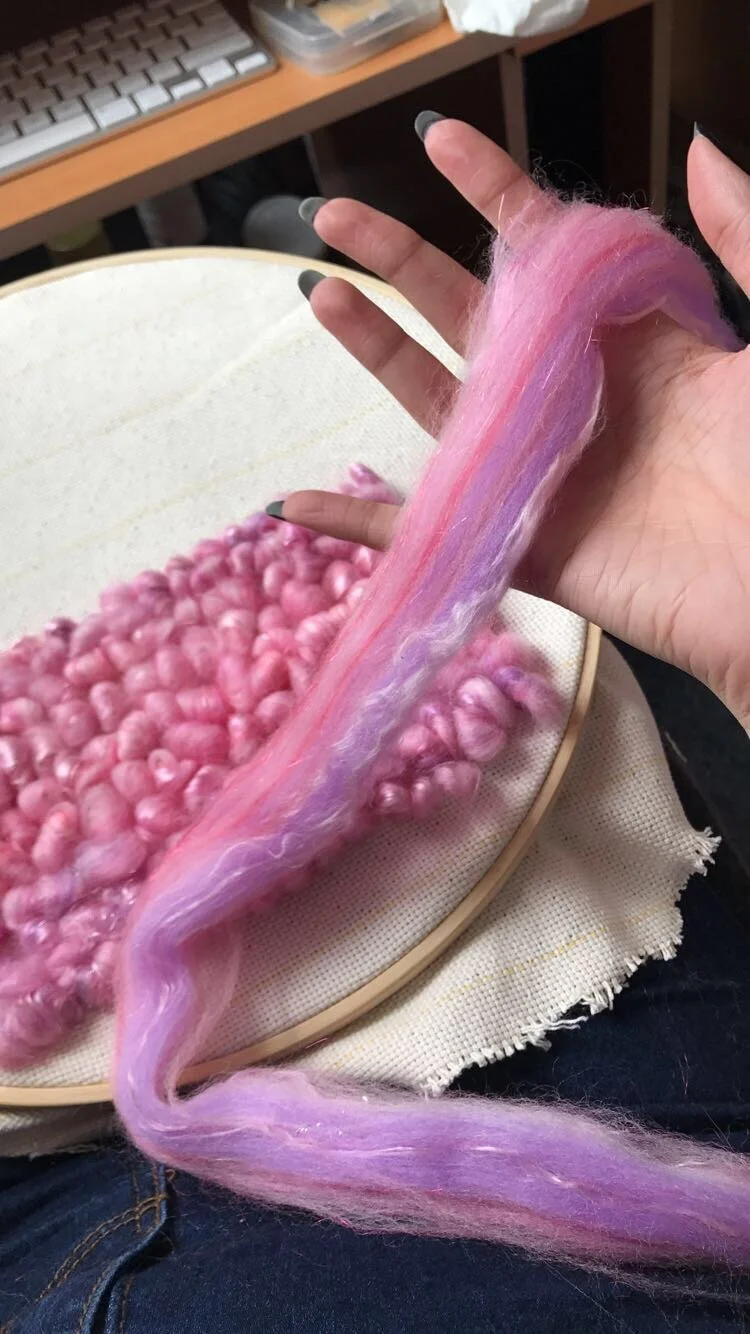
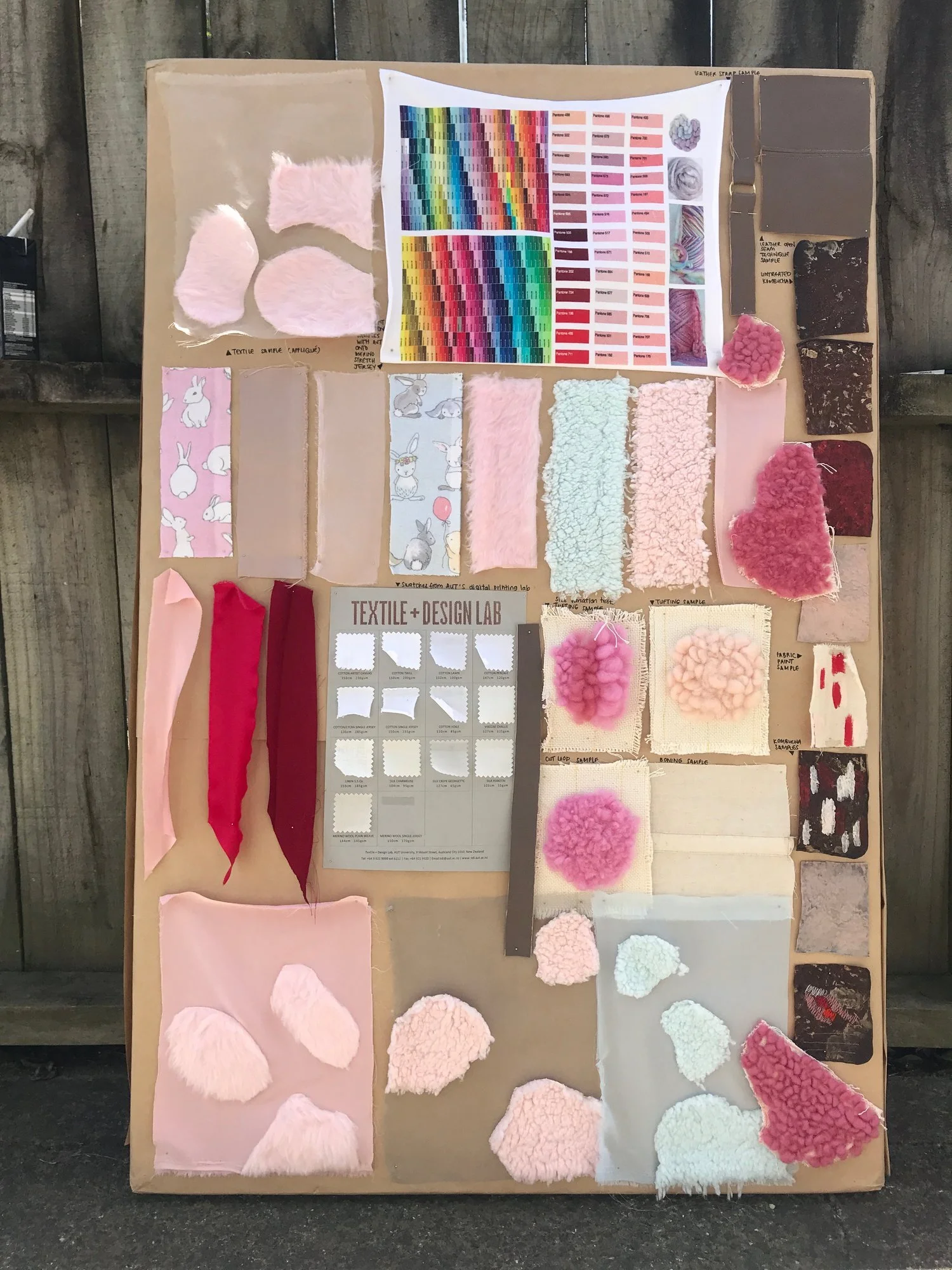
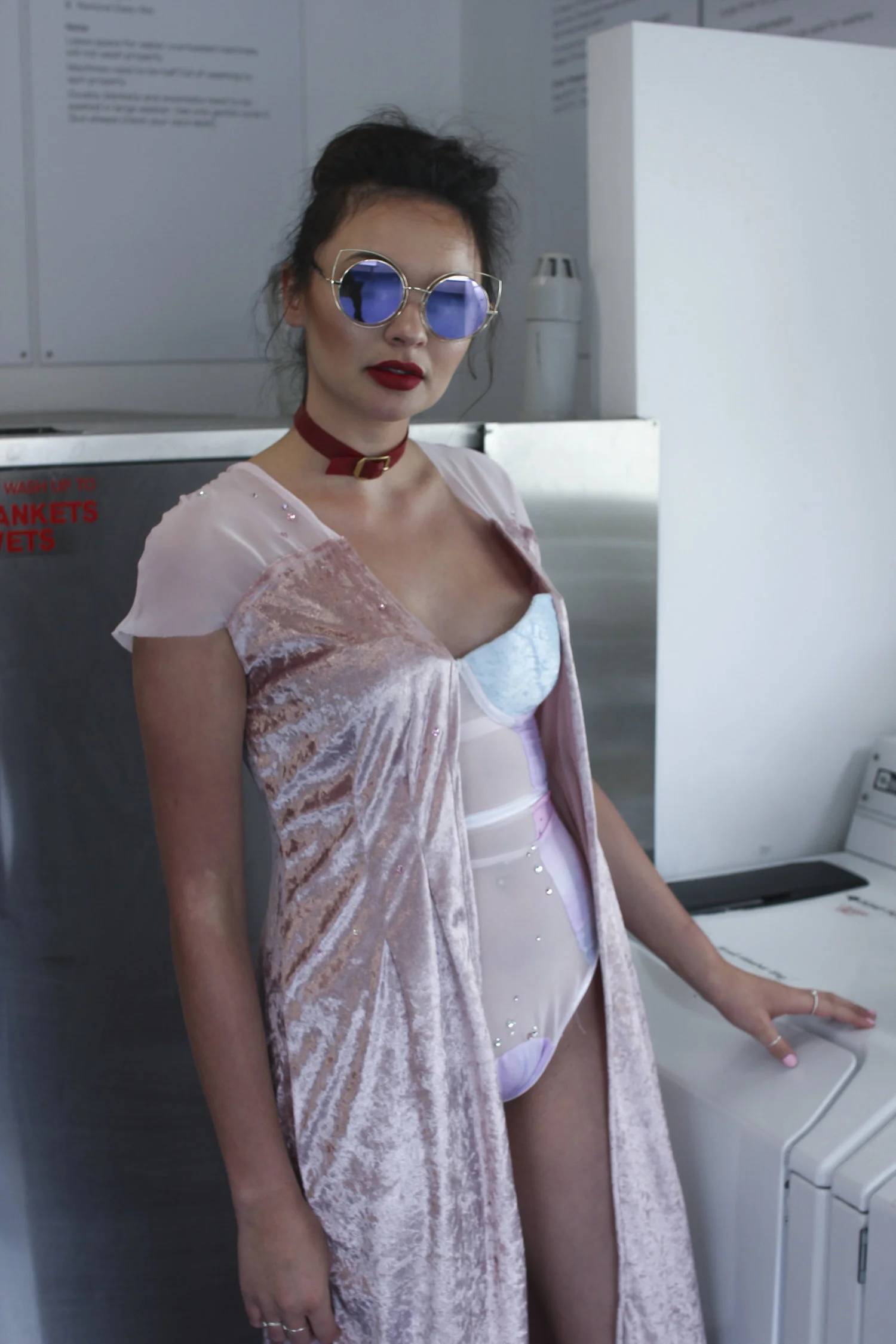
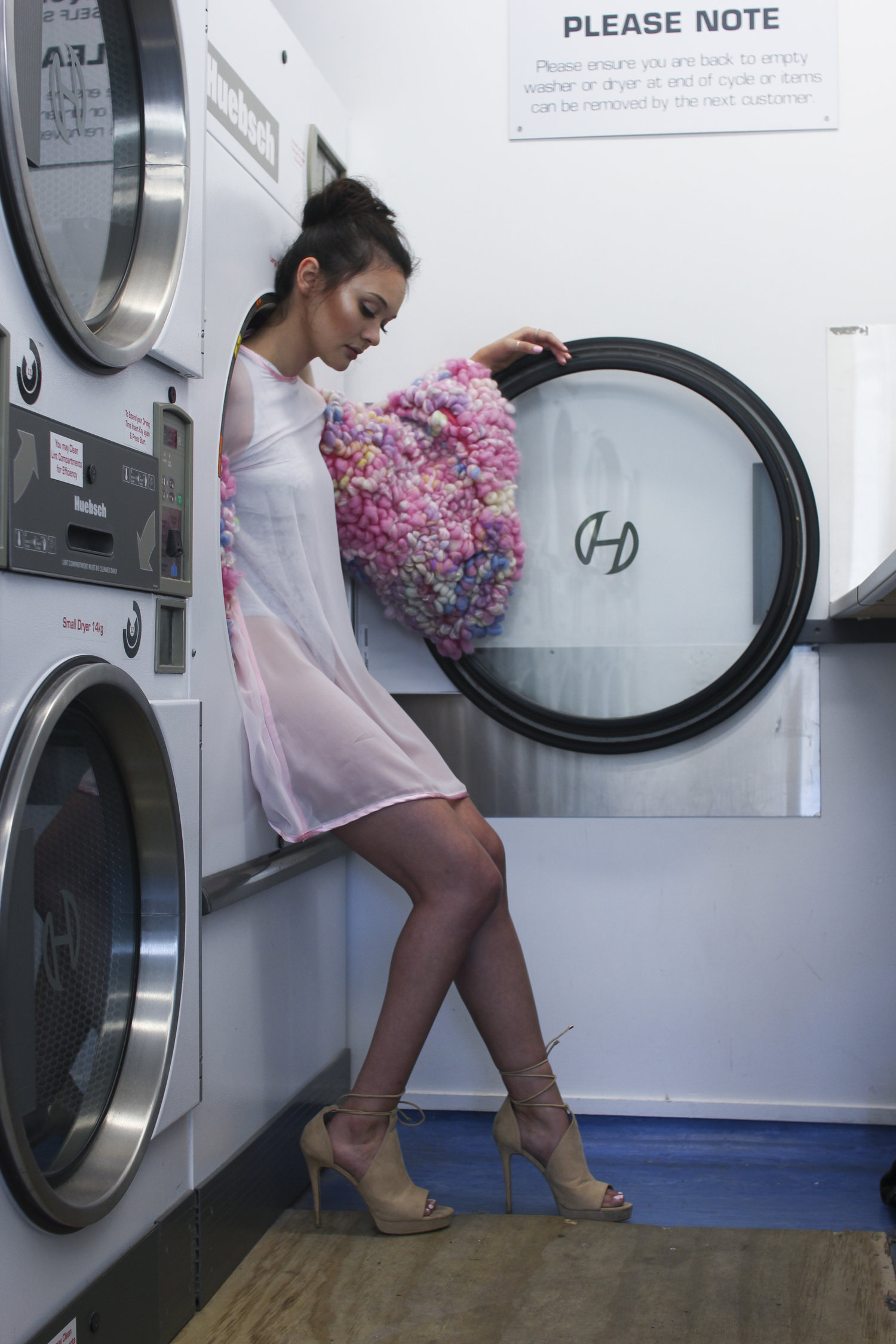
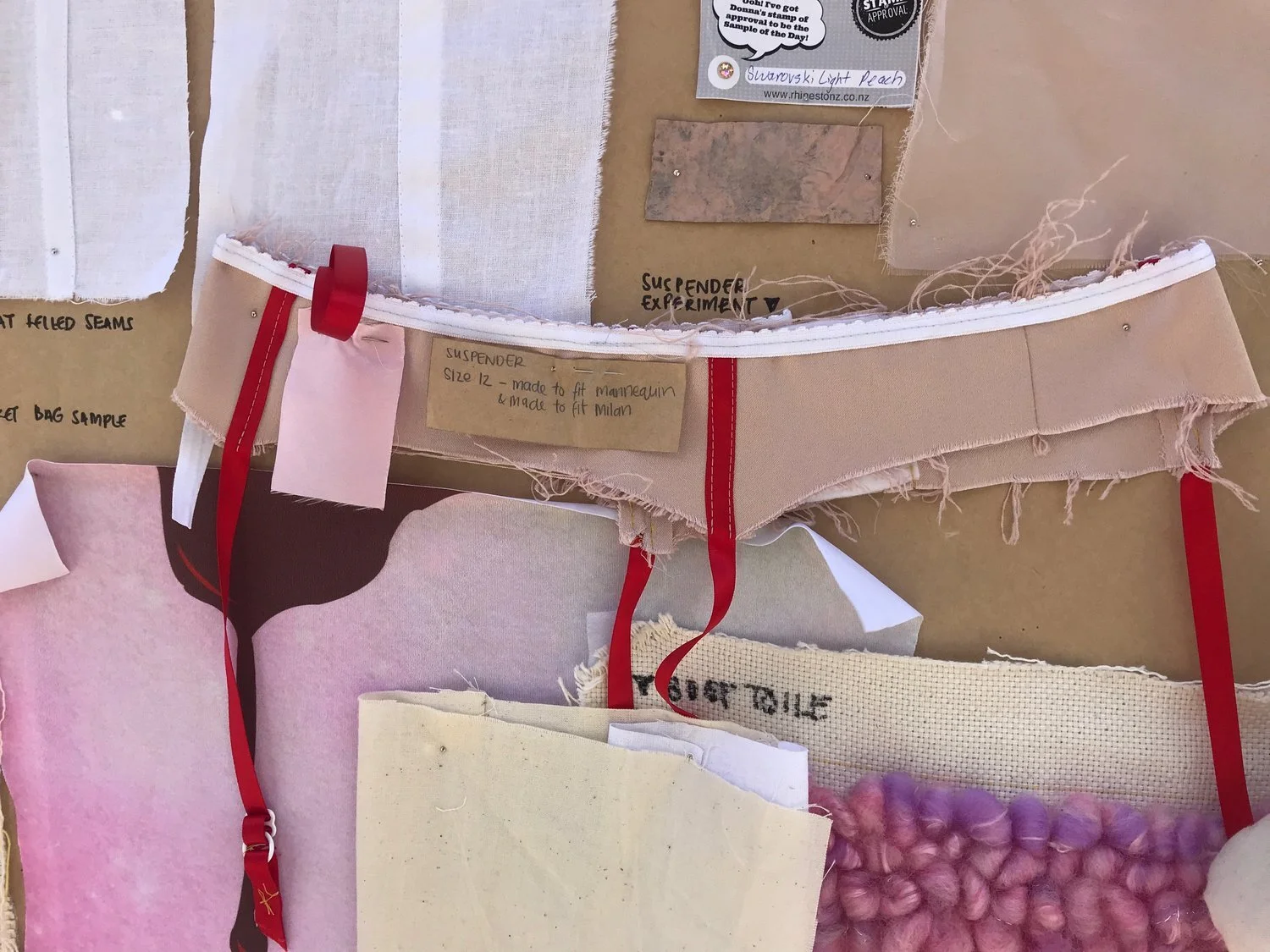
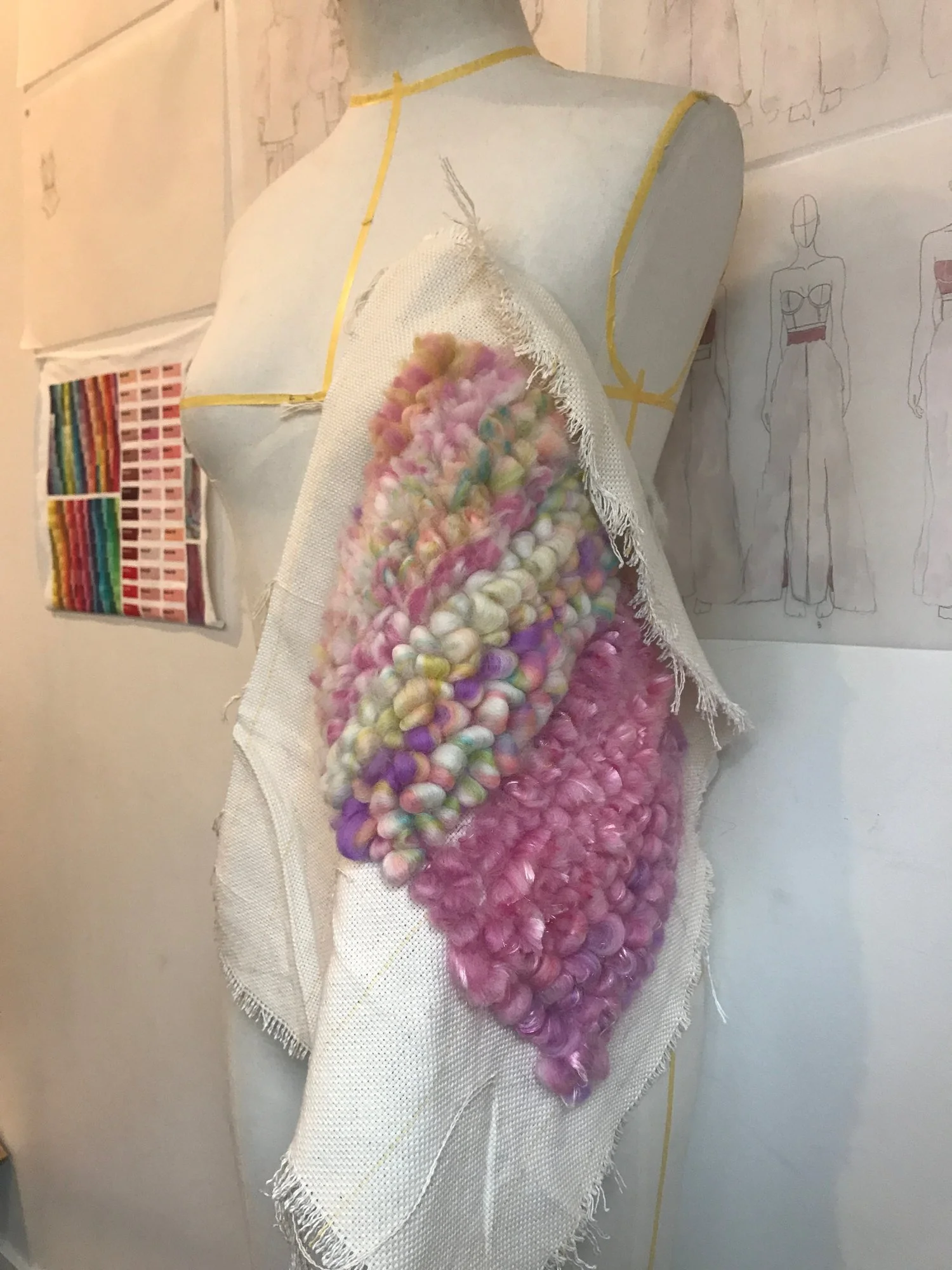
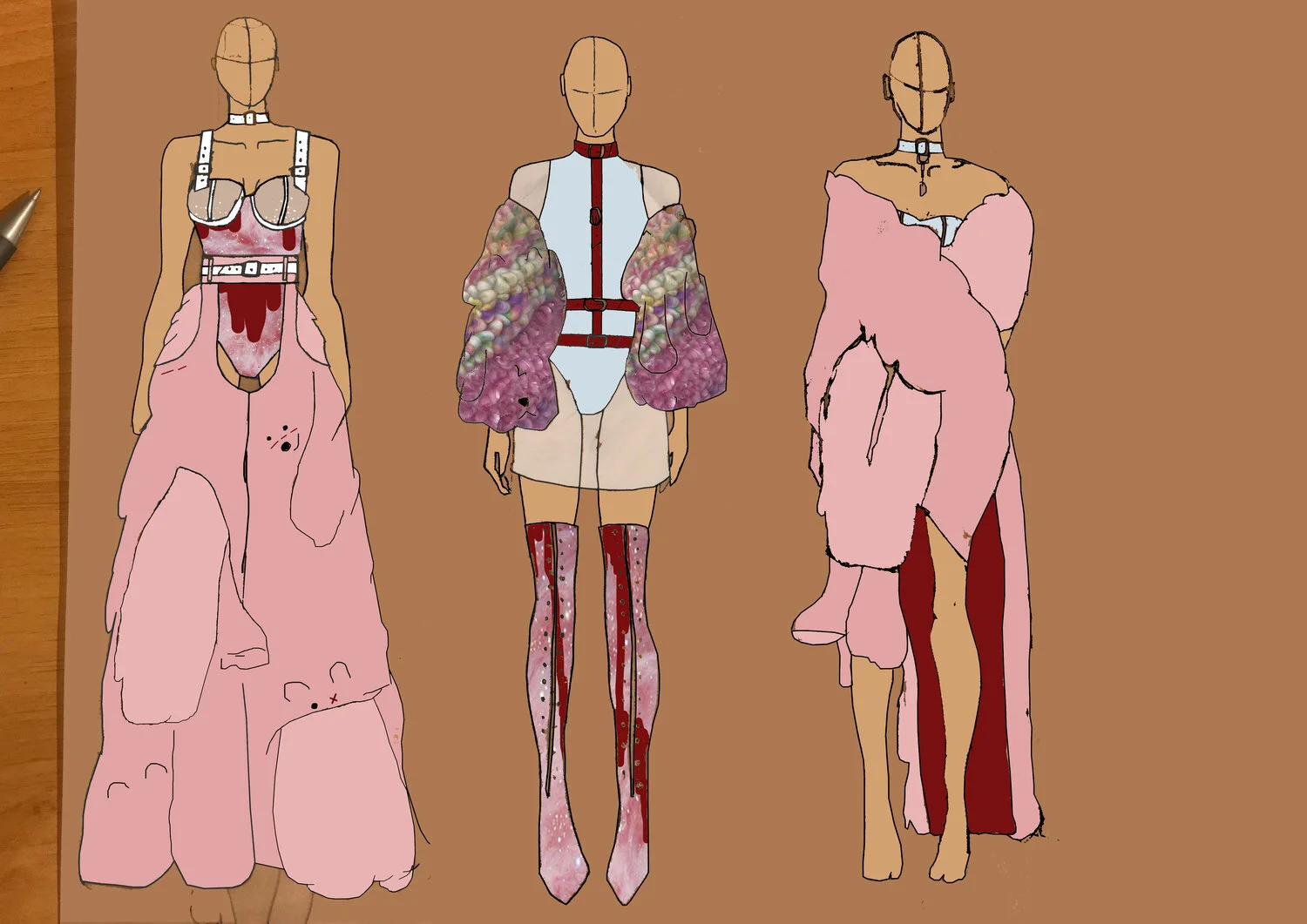
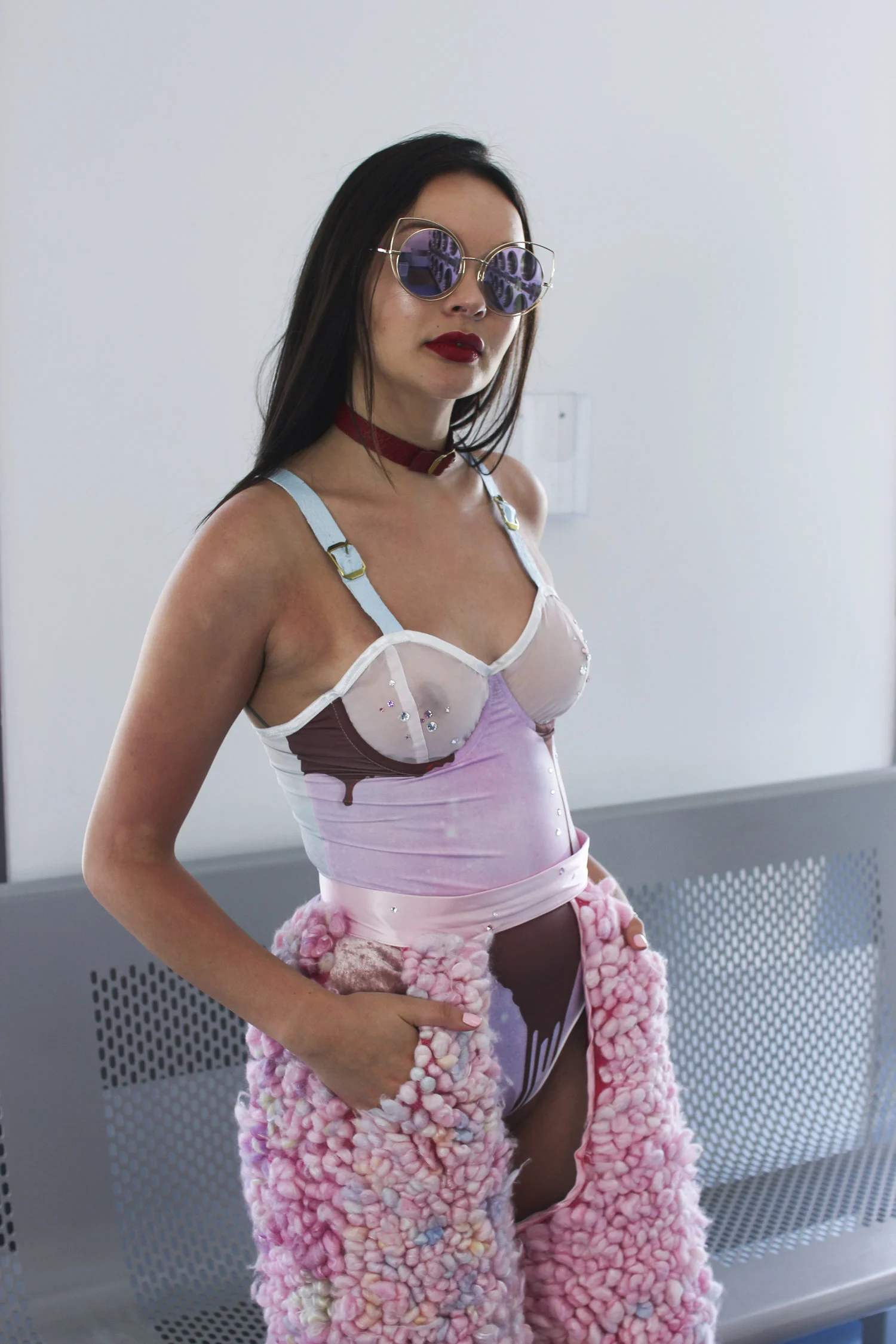
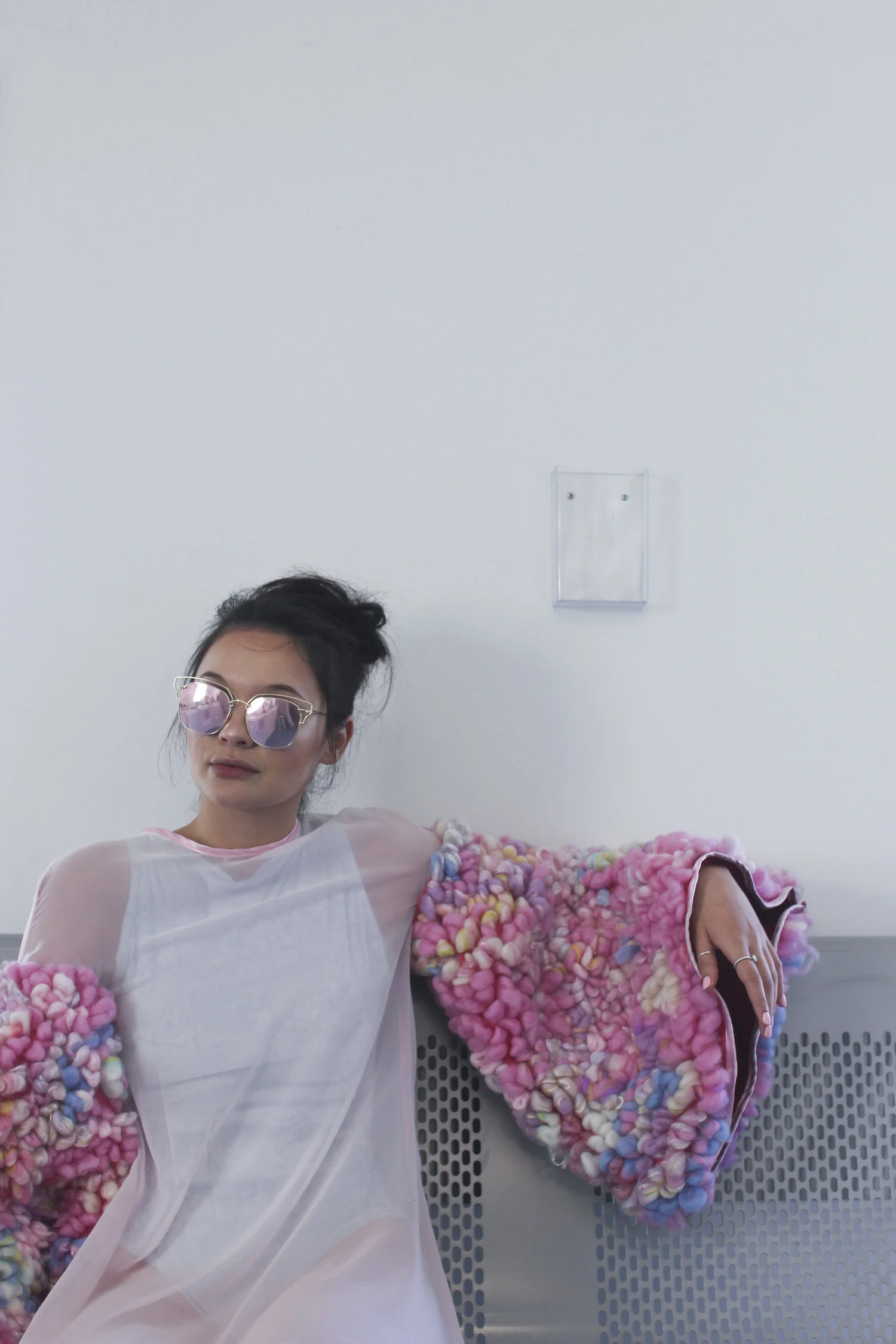
P is for Posthuman explores this idea through the combination of high-tech and decidedly low-tech techniques within one hybrid collection. Digitally printed and synthetic fabrics are presented alongside time-intensive hand-tufted wool textiles, material grown from microorganisms and hand-applied rhinestones. The time saved through digital practices such as printing and computer-aided design is redistributed into the handcrafted components of the work.

The collection proposes a different way of looking at the relationship between the natural and the technological. The value of handcraft need not be lost to new machinery, nor should technology be seen exclusively as cold and lifeless. Instead, the two can coexist, each contributing something to the other.

This work comes as a tactile response to the notion of technology as a threat to nature. It is our responsibility as designers to merge these worlds; combining the efficiency and accuracy of technology and the serrindipity and intimicy of handmade.


 
IMG_0191+X.jpg
Look+2+Rendered+001.jpg
IMG_4257.jpg
 
IMG_3790.jpg
Look+1-3+Lineup+002.jpg
IMG_0691+X.jpg
 

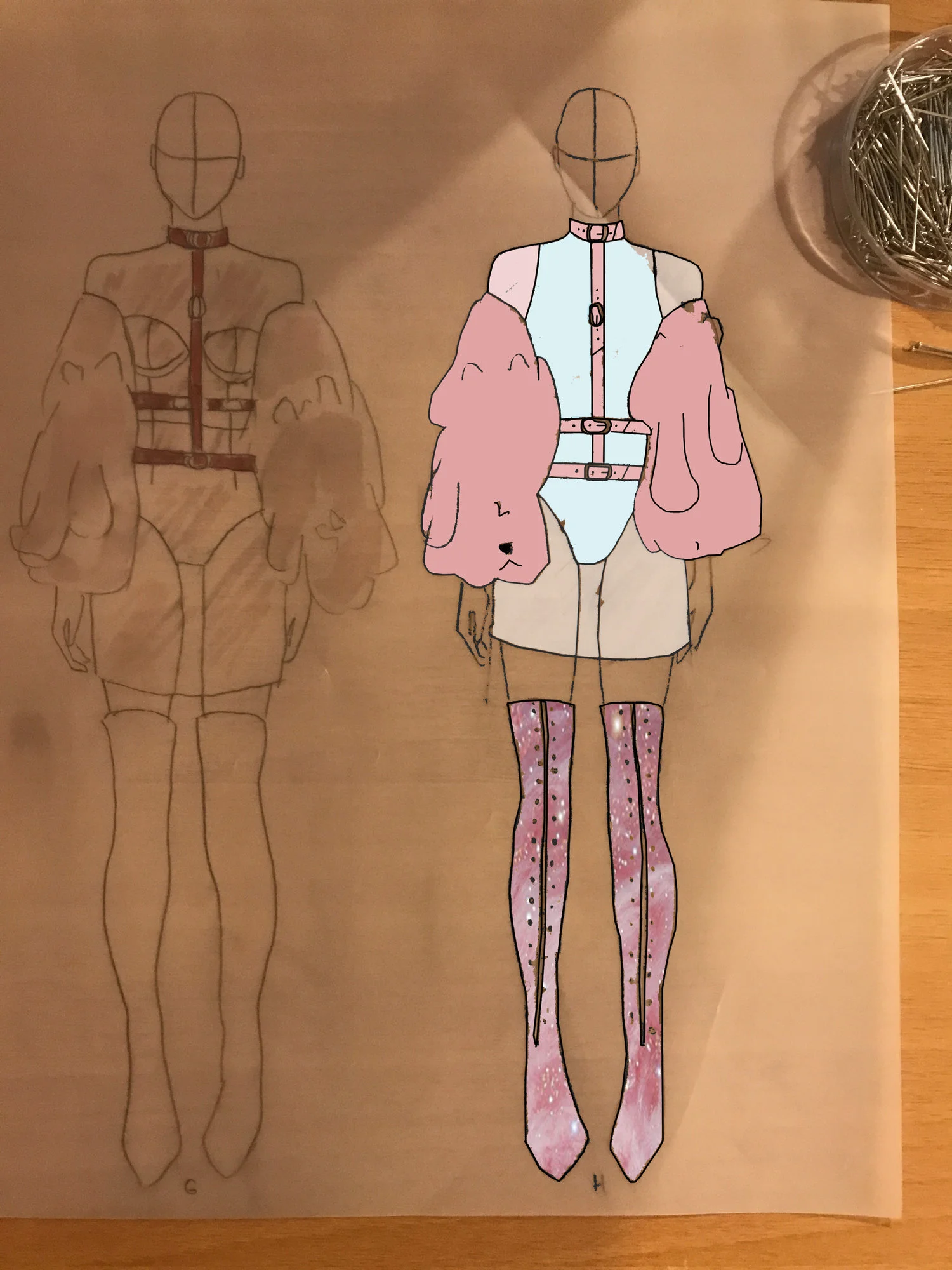
This notion of hybridity and contradiction extends into the imagery that influenced the aesthetic direction of the collection. Daddy dom/little girl (DDLG), a subset of BDSM fetish culture, uses role-play and performative dress to explore situational power dynamics and age-regression as a form of relief from the pressures of adulthood.

DDLG dress commonly incorporates baby pinks and blues, soft and textured fabrics, and motifs associated with infancy and prepubescence. By placing this imagery within a hyper-sexualised context, the subculture plays with the cultural binary between purity and promiscuity.

Through this imagery, the collection draws attention to the idea of duality, paralleling the perceived divide between natural and technological approaches to fashion.

The work is intended to be bold and confronting, with the wearer simultaneously comforted by soft, warm and colourful tufted wool and exposed through sheer and revealing garments.

 
IMG_0111+X.jpg
IMG_0569+X.jpg